 Melbourne Self Storage
Small Storage Units in Melbourne - What Fits & What You'll Pay
The Case for Going Small
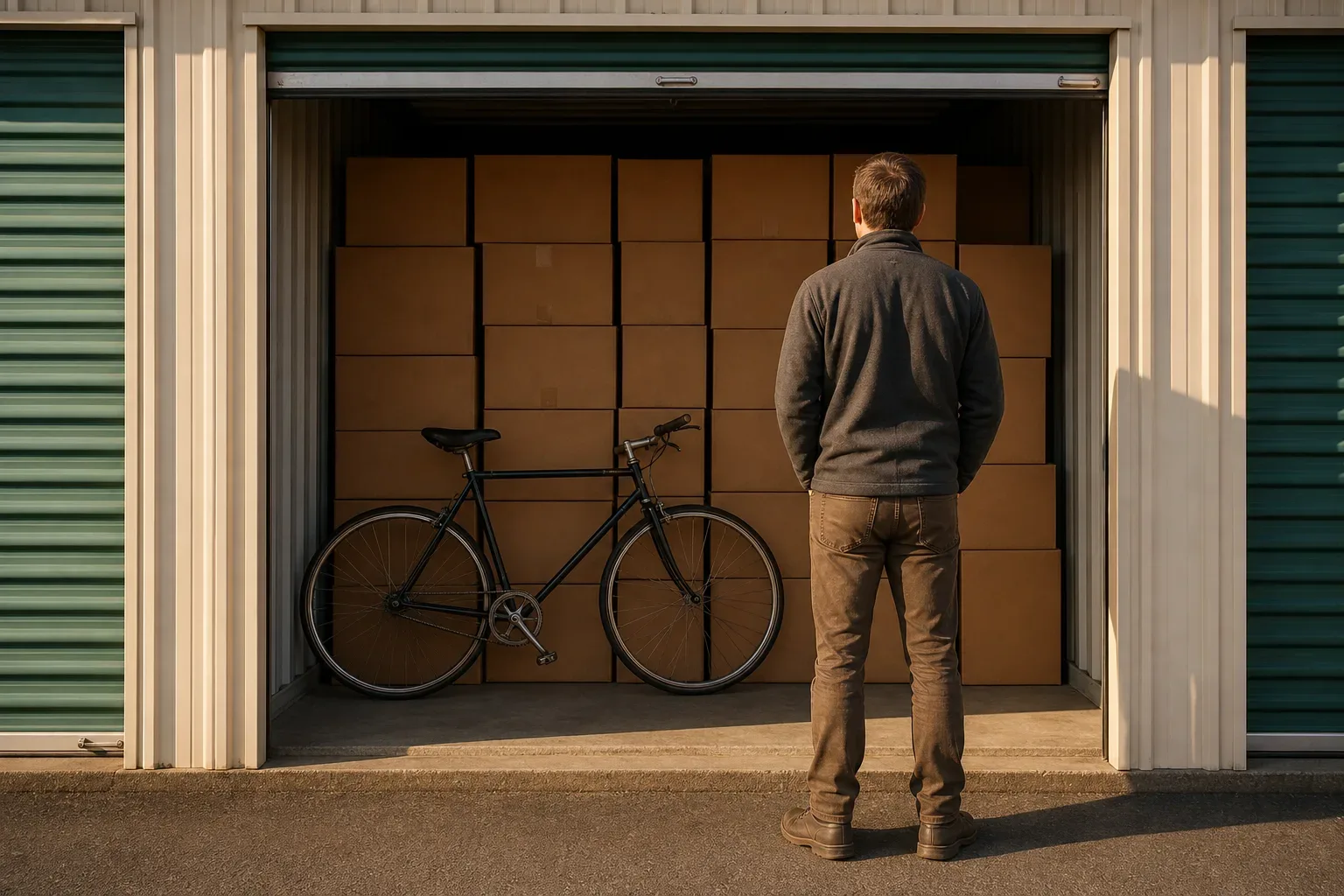
Renting more space than you need is one of the most common and avoidable storage mistakes. A compact unit, typically between 1 sqm and 5 sqm, suits a surprising range of situations: a student clearing out a share house, a renter between leases with just a few boxes and a bicycle, or a small business holding seasonal stock. Matching the unit size to your actual load keeps monthly costs low and avoids paying for air.
Melbourne has a competitive self storage market, with facilities spread across the inner suburbs, mid-ring areas, and the urban fringe. That spread means pricing varies considerably depending on where you book and how much space you need.
What Fits in a Small Storage Unit
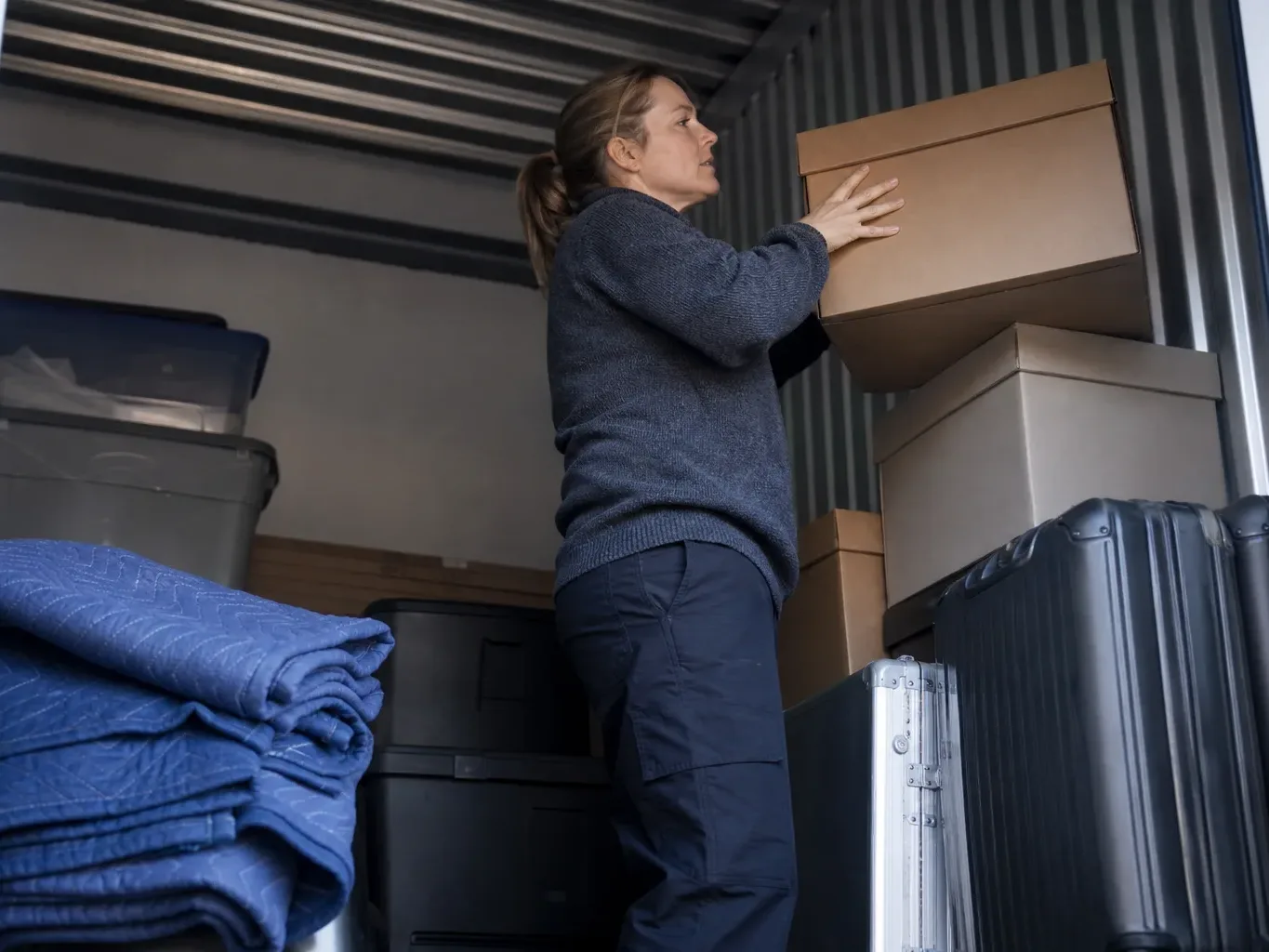
Facilities across Melbourne commonly offer units from as small as 1 sqm, roughly the footprint of a standard wardrobe, up to 50 sqm or more. The small end of that spectrum, locker-sized up to around 5 sqm, is what most budget-conscious renters should focus on.
Locker-Sized Units (1–2 Sqm)
A 1–2 sqm locker holds roughly what you can stack in a standard wardrobe: suitcases, archive boxes, sports gear, or a small collection of household items you want off-site for a few months. These are popular with students finishing the academic year and with renters who need a temporary holding space during a property move.
Small Units (3–5 Sqm)
A 3 sqm unit can hold the contents of a small bedroom: a mattress, a few flat-pack boxes, and miscellaneous bags. Stretch to 5 sqm and you can comfortably fit a studio apartment's worth of non-bulky furniture, stacked efficiently. Think a dismantled bed frame, a compact sofa, a television, and roughly 15–20 moving boxes alongside those items.
What You'll Pay for Small Storage Units in Melbourne
Small units (locker-sized up to 5 sqm) generally cost between AUD $80 and AUD $150 per month across Melbourne's self storage facilities. Inner-city locations in areas like South Melbourne, Fitzroy, or the CBD tend to sit at the upper end of that range, often 20–40% more expensive than equivalent units in suburban areas such as Dandenong, Sunshine, or Coburg.
A one-off administration fee of AUD $0–$50 may apply when you first sign up, though many facilities charge nothing. Contents protection, offered as an optional add-on, typically runs AUD $5–$20 per month depending on the declared value of your belongings. If you hold a home-and-contents policy, check whether it already covers items stored off-site before paying for a separate add-on.
Short-Term Hire and Minimum Rental Periods
Most Melbourne facilities offer a minimum rental of one week to one month, which suits customers in between settlement dates or finishing a university semester. Week-to-week agreements are common and do not lock you into a lengthy contract. Peak demand for short-term small units occurs in October–December and again in February–March, aligned with the university academic calendar. Booking a few days early during those windows is wise.
Choosing the Right Facility
Location is the most direct cost lever. If you live in Fitzroy but work near Dandenong, a suburban facility on your commute route can save you money and remain just as accessible. Most Melbourne self storage facilities offer access seven days a week, typically between 6 am and 10 pm, with a smaller subset offering 24-hour access for an additional fee or as a standard feature.
Security matters even for small units. Reputable facilities provide 24-hour CCTV surveillance, individual unit alarms, and secure perimeter fencing. Ask specifically about unit-level alarms rather than just building-wide camera coverage. Drive-up access is common at suburban facilities but less available in inner-city locations where land constraints make ground-floor loading harder to offer.
Climate Control for Small Units
Standard small units are suitable for most everyday belongings. For items sensitive to temperature swings, selected Melbourne facilities offer climate-controlled units that maintain temperatures between approximately 18°C and 24°C. Electronics, photographs, wooden instruments, and wine are the most common candidates. Climate-controlled units cost more, so weigh that premium against whether your specific items genuinely need it.
How to Get the Best Deal
Comparing facilities online takes around 20 minutes and can reveal a meaningful price difference for the same size unit in nearby suburbs. Most Melbourne self storage facilities can accommodate a move-in within 24–48 hours of booking, so you are not forced to commit weeks in advance just to secure a unit.
Ask facilities directly about any promotional rates. First-month discounts and referral deals are common and rarely advertised prominently on rate cards. Renting month-to-month rather than signing a longer agreement keeps your options open if your situation changes. Combining a smaller unit with better packing, using shelf units to stack vertically, can extend the usable capacity of a 3–5 sqm space without moving to the next size bracket.
What's the Smallest Size Storage Unit You Can Get
The smallest units available at Melbourne self storage facilities are typically 1 sqm, often described as locker-sized. These hold the equivalent of a wardrobe's contents and are well suited to archive boxes, luggage, and seasonal equipment. Not every facility offers this size, so search specifically for locker or mini-storage options if 1–2 sqm is what you need.
How to Get Storage Without Buying It
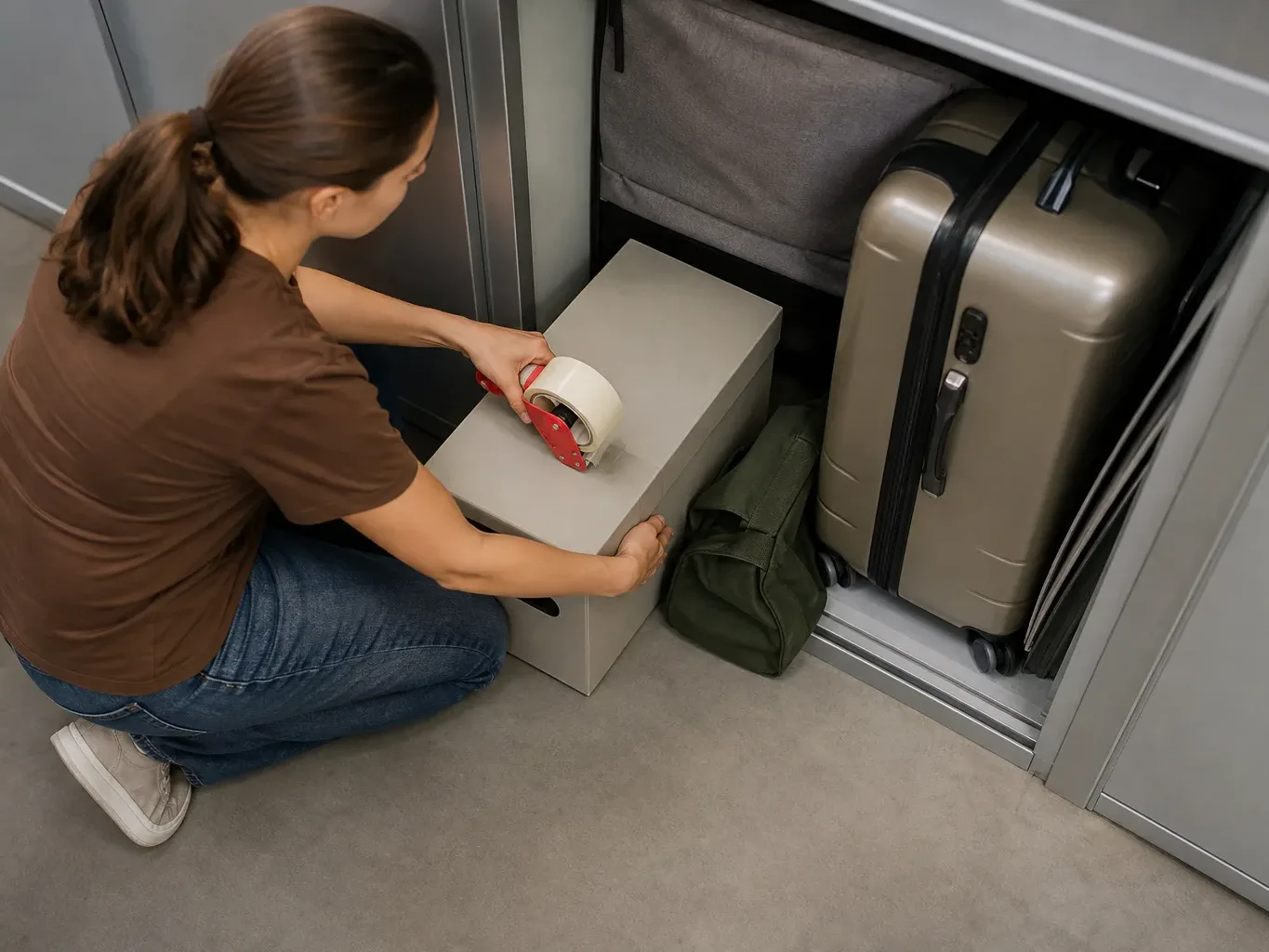
Renting a self storage unit on a short-term agreement is the most straightforward way to access storage without any ownership commitment. Week-to-week and month-to-month rental agreements are widely available across Melbourne. You pay a monthly fee, access your unit during facility hours, and vacate when you no longer need the space. No asset purchase, no long-term contract, and no depreciation to worry about.
Frequently Asked Questions
What's the Smallest Size Storage Unit You Can Get?
Most Melbourne self storage facilities offer units starting at 1 sqm, commonly called locker-sized units. These can hold suitcases, archive boxes, sports gear, or the contents of a wardrobe. Not every facility stocks this size, so it pays to filter specifically for locker or mini-storage when searching.
How to Get Storage Without Buying It?
Renting a self storage unit on a short-term agreement is the simplest option. Melbourne facilities commonly offer week-to-week or month-to-month rentals with no long-term commitment. You pay a monthly fee, access your belongings during facility hours, and vacate when you no longer need the space.
How Much Does a Small Storage Unit Cost in Melbourne?
Small units, covering locker-sized up to around 5 sqm, typically cost between AUD $80 and AUD $150 per month. Inner-city suburbs such as Fitzroy and South Melbourne tend to sit at the upper end of that range, while suburban areas like Dandenong or Sunshine are generally 20–40% cheaper for the same unit size.
What Can I Fit in a 5 Sqm Storage Unit?
A 5 sqm unit can hold roughly the contents of a studio apartment packed efficiently. That includes a dismantled bed frame, a compact sofa, a television, and around 15–20 moving boxes. Using vertical space with shelving can extend the usable capacity noticeably.
Do Melbourne Storage Facilities Offer Short-term Rentals for Small Units?
Yes. Most Melbourne self storage facilities offer a minimum rental period of one week to one month, making short-term hire practical for renters between leases or students vacating at the end of semester. Demand for short-term small units peaks in October–December and February–March, so booking a few days ahead during those periods is advisable.