 Melbourne Self Storage
How Much Does Self Storage Cost Per Month in Melbourne?
Monthly self storage costs in Melbourne range from around AUD $80 for a locker-sized space up to AUD $500 or more for a large climate-controlled unit. The figure you actually pay depends on unit size, your chosen suburb, access features, and whether the facility offers climate control. Getting a clear picture of those variables before you book prevents bill shock and helps you avoid paying for more space than you need.
What Drives Self Storage Pricing in Melbourne
Melbourne has more than 200 self storage facilities spread across the metropolitan area, from the CBD fringe through to Dandenong, Sunshine, and the Mornington Peninsula corridor. That spread creates genuine price variation. Inner-city facilities in Fitzroy, South Melbourne, or Port Melbourne typically cost 20–40% more than equivalent suburban units, largely because land values are higher and construction costs are passed on to renters.
Access features add cost too. Drive-up units, which let you back a van directly to your door, are common at suburban facilities but less available in inner-city locations where space is tight. Climate-controlled units, which maintain temperatures between approximately 18–24°C, carry a premium over standard units at the same size.
Storage Cost by Unit Size
Size is the single biggest pricing lever. Melbourne facilities commonly offer units from 1 sqm lockers up to 50 sqm or more, so matching the unit to your actual load is worth time upfront.
Small Units - Locker to 5 Sqm
Small units cost AUD $80–$150 per month. A locker suits a few boxes, seasonal gear, or a bike. A 4–5 sqm unit holds the contents of a small studio or a couple of rooms worth of packed boxes. Inner-city facilities sit closer to the AUD $150 ceiling; suburban options are more likely to come in under AUD $110.
Medium Units - 6 to 15 Sqm
Medium units run AUD $150–$280 per month and are the most popular size category for Melbourne renters. A 10 sqm unit comfortably holds the contents of a one-bedroom apartment, including a bed frame, couch, whitegoods, and 15–20 boxes. Suburban facilities generally price at the lower end of this band, while inner-city providers lean toward the upper end.
Large Units - 16 to 30 Sqm
Large units cost AUD $280–$500 per month. These suit large households, vehicle storage, or business inventory requiring regular access. Premium climate-controlled large units at well-located facilities sit at the top of that range. A 20 sqm unit can hold a three-bedroom household's furniture plus appliances with room to store things in a logical order.
What Else Affects Your Monthly Bill
The unit price is not the only figure on your invoice. Most Melbourne facilities charge a one-off administration fee of AUD $0–$50, though many charge nothing at all. Contents protection is offered as an optional add-on at most facilities, running approximately AUD $5–$20 per month depending on declared value. Your existing home-and-contents policy may already cover goods in storage, so check before paying twice.
Access hours also reflect value. Most Melbourne facilities offer access seven days a week, typically 6 am–10 pm, with 24-hour access available at a subset of facilities. If you need to get in outside standard hours for work or logistics reasons, confirm that before signing up rather than assuming it.
Short-Term Versus Long-Term Storage Costs
Most Melbourne facilities offer a minimum rental of one week to one month, with week-to-week agreements common for customers bridging a gap between property settlements. Short-term arrangements usually carry the same per-month rate, though a handful of facilities discount for three- or six-month commitments. Most facilities can accommodate a move-in within 24–48 hours of booking, which matters if your settlement date shifts at short notice.
Peak demand in Melbourne outside of the student cycle, which runs October–December and February–March, tends to be driven by the spring property market. Booking during those windows may mean less choice at the size and suburb you want, though pricing is rarely altered seasonally at standard self storage facilities.
Suburban Location and Price Comparison
Comparing facilities in adjacent suburbs is one of the most reliable ways to reduce your monthly cost. The 20–40% premium that inner-city locations carry over suburban equivalents is a real, documented gap, not a rough estimate. A medium unit in South Melbourne will routinely cost more than the same size in Coburg or Dandenong, even from the same national operator.
Suburban facilities also tend to offer more drive-up access options, larger unit sizes, and easier truck access, which reduces your moving cost on the day. The trade-off is travel time for repeat visits. If you need to access your unit weekly, a facility 40 minutes away erodes convenience quickly.
Security and What You Should Expect
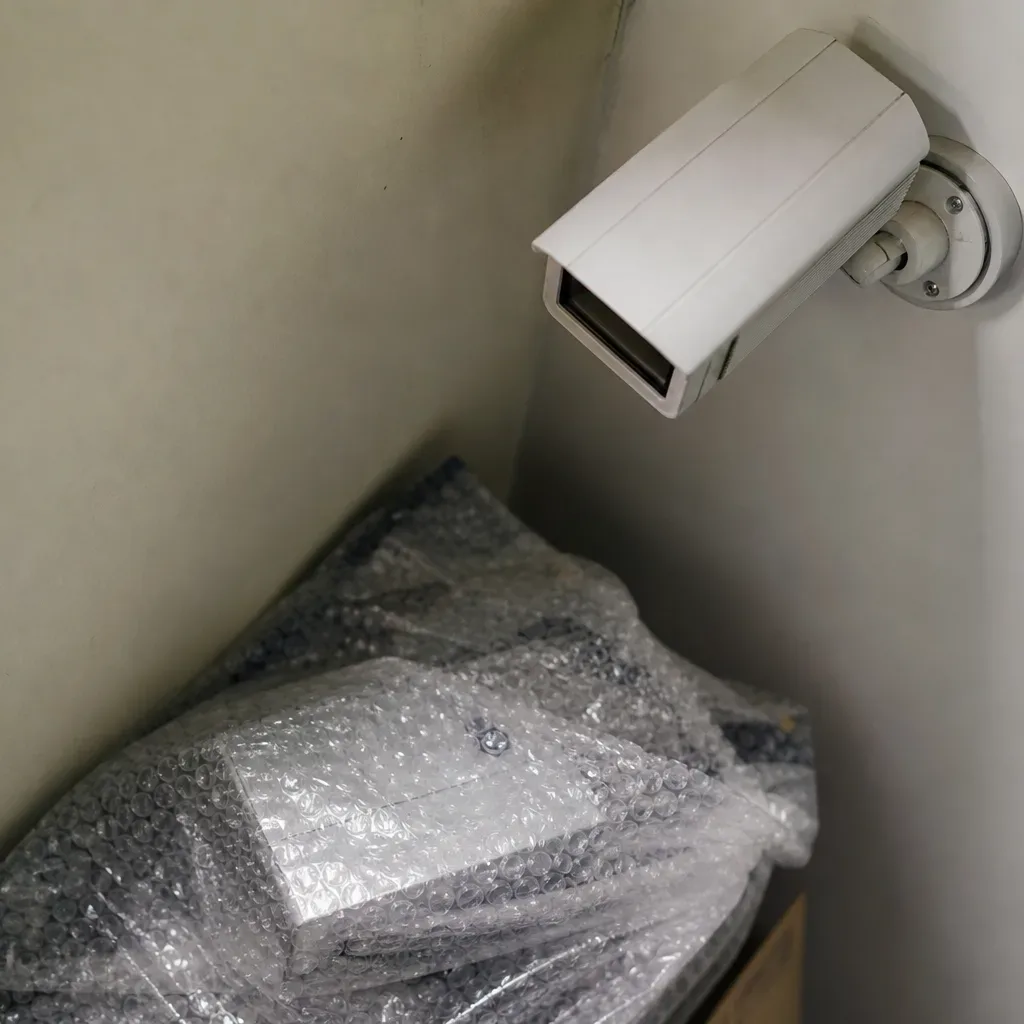
Reputable Melbourne self storage facilities provide 24-hour CCTV surveillance, individual unit alarms, and secure perimeter fencing. These are not universal standards across every operator, but they represent what well-run facilities offer and what you should ask about before committing. A lower monthly price at a facility with weak security is a poor trade if it results in a claim.
Climate control matters for specific goods: documents, timber furniture, electronics, wine, and anything sensitive to humidity. Verifying that a facility actually maintains 18–24°C year-round, rather than just advertising climate control as a marketing term, requires asking directly about their system and whether it runs through Melbourne's summer peaks.
How to Work Out a Realistic Budget
Start with your cubic metre estimate, then convert it to sqm. A rough guide: 10 cubic metres of household goods fits into roughly 5 sqm of floor space at standard ceiling height. Add 20–30% buffer so you can stack efficiently rather than cramming. Then apply the size band pricing to get a base monthly figure.
Add the one-off admin fee amortised over your expected rental period, contents insurance if your existing policy does not cover off-site storage, and any access upgrade if you need early morning or late night entry. That total is your true monthly cost, and it rarely differs from the headline unit price by more than AUD $20–$30 per month for most standard arrangements.
Frequently Asked Questions
How Much Does Small Storage Cost per Month?
Small storage units in Melbourne, covering locker-sized spaces up to around 5 sqm, cost AUD $80–$150 per month. Inner-city facilities in suburbs like South Melbourne or Fitzroy tend to sit near the top of that range, while suburban options in areas like Sunshine or Dandenong are typically closer to the AUD $80–$110 mark.
How Much Does Business Storage Cost per Month?
Business storage costs in Melbourne depend heavily on volume. A small business storing archived documents or excess stock in a medium unit of 6–15 sqm will typically pay AUD $150–$280 per month. Larger inventory or equipment requiring a 16–30 sqm unit runs AUD $280–$500 per month. Climate-controlled units for sensitive stock or records sit toward the upper end of each band.
How Much Does Equipment Storage Cost per Month?
Equipment storage pricing aligns with unit size and access needs. Tradespeople or small operators storing tools and machinery in a medium unit can expect to pay AUD $150–$280 per month. Larger plant or vehicle storage in a 16–30 sqm unit ranges from AUD $280–$500 per month. Drive-up access, which makes loading and unloading equipment practical, is available at most suburban Melbourne facilities.
What Is the Average Price of the Smallest Storage Unit a Month?
The smallest storage units in Melbourne, typically locker-sized spaces of around 1–2 sqm, start from approximately AUD $80 per month at suburban facilities. Inner-city locations may price small lockers closer to AUD $120–$150 per month due to higher land costs. Most facilities also charge a one-off administration fee of AUD $0–$50 on top of the monthly rate.
How Much Should I Pay for Self Storage?
A fair price for self storage in Melbourne depends on size and location. Small units should cost AUD $80–$150 per month, medium units AUD $150–$280 per month, and large units AUD $280–$500 per month. Choosing a suburban facility over an inner-city one for the same unit size can reduce your monthly cost by 20–40%. Always confirm what is included, such as insurance, access hours, and any admin fees, before comparing headline prices.