 Melbourne Self Storage
Commercial Storage Units in Melbourne - What Businesses Need to Know
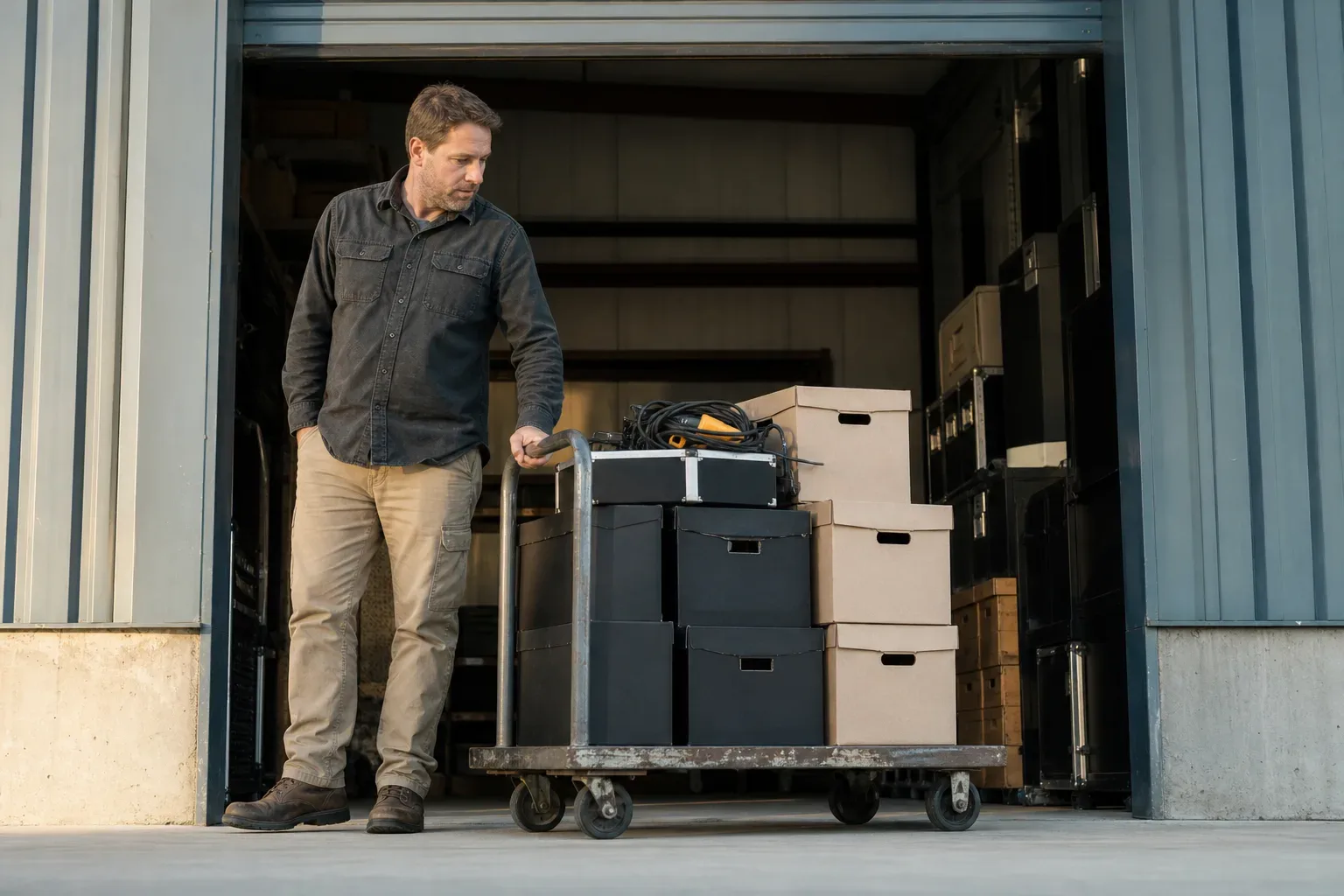
Running a business in Melbourne often means accumulating more physical assets than your premises can comfortably hold. Commercial storage units give businesses a practical way to manage that overflow without committing to larger, more expensive real estate. Whether you operate a retail shop in Fitzroy, a trade business in Dandenong, or a professional services firm in the CBD, the right unit can reduce clutter, protect stock, and cut costs.
What Commercial Storage Actually Means for Melbourne Businesses
Commercial storage is simply self storage used for business purposes rather than personal belongings. The unit itself is identical to what a household customer might rent. What differs is how businesses use it: archiving financial records, staging seasonal inventory, holding equipment between jobs, or freeing up expensive office floor space.
Melbourne's self storage market is substantial. More than 200 self storage facilities operate across the metropolitan area, spread from inner suburbs like South Melbourne and Fitzroy through to outer areas including Sunshine, Coburg, and Dandenong. That spread gives businesses genuine flexibility to choose a location close to a warehouse, a client hub, or a main office.
Choosing the Right Unit Size
Sizing a unit correctly saves money immediately. Melbourne facilities commonly offer units ranging from 1 sqm lockers up to 50 sqm or more, so matching the unit to actual need is straightforward once you have a rough inventory.
Small Units - Lockers to 5 Sqm
Small units suit businesses storing archived documents, a few pallets of product samples, or spare IT equipment. Pricing sits at AUD $80–$150 per month. Inner-city locations tend toward the upper end of that range because of land constraints.
Medium Units - 6 to 15 Sqm
A 6–15 sqm unit is the most common choice for small-to-medium businesses. It comfortably holds the contents of a one or two-bedroom office, a season's worth of retail inventory, or tools and materials for a trades business. These units cost AUD $150–$280 per month, with suburban facilities in areas like Sunshine or Dandenong generally sitting below what inner-city facilities charge.
Large Units - 16 to 30 Sqm
Larger units at 16–30 sqm work well for businesses managing bulk inventory, vehicles, machinery, or significant document archives. Pricing runs AUD $280–$500 per month, with climate-controlled units and inner-city locations at the premium end. Inner-city Melbourne facilities typically cost 20–40% more than equivalent suburban units, which matters when a business is weighing proximity against budget.
Access, Security, and Practical Logistics
Access frequency is a real operational consideration. Most Melbourne facilities offer access seven days a week, typically from 6 am to 10 pm. A subset of facilities provide 24-hour access, which suits businesses with after-hours operational needs such as hospitality suppliers or emergency trades.
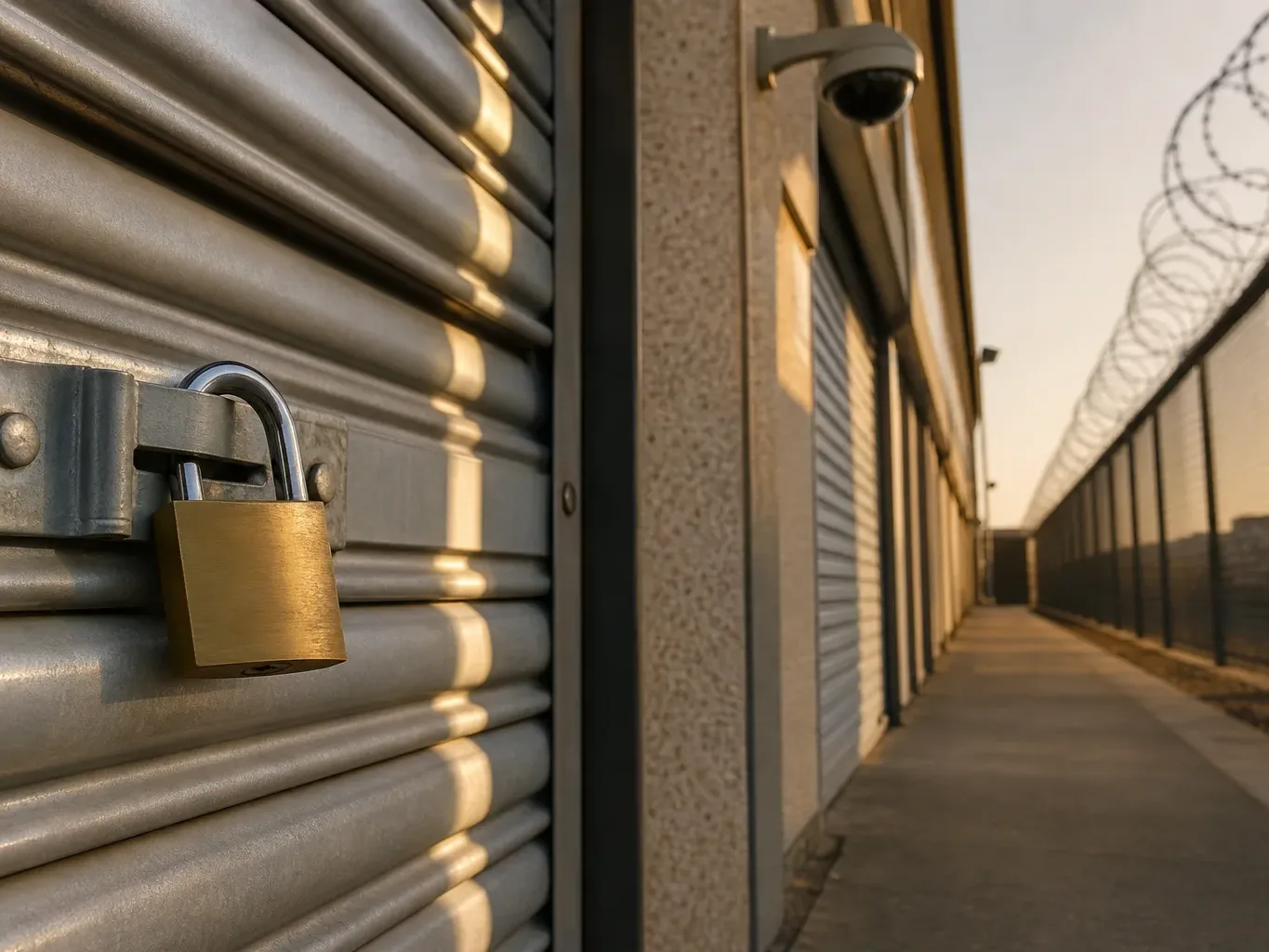
Reputable facilities use 24-hour CCTV surveillance, individual unit alarms, and secure perimeter fencing. Those are the features worth confirming before signing any agreement. Drive-up access units are available at the majority of suburban Melbourne facilities, which makes loading and unloading stock or equipment significantly faster. Inner-city locations are less likely to offer drive-up access due to site constraints.
Pricing and Contracts
How Costs Break Down
Beyond the monthly rental, businesses should account for a one-off administration fee of AUD $0–$50, though many facilities charge nothing. Contents protection is available as an optional add-on at approximately AUD $5–$20 per month depending on declared value. Businesses may also be able to extend existing home-and-contents or commercial policies to cover stored goods, so it is worth checking with your insurer before paying for a separate add-on.
Minimum Rental Periods
Most Melbourne facilities offer a minimum rental of one week to one month. Week-to-week agreements are common for businesses in between lease arrangements or managing short-term inventory peaks, such as the pre-Christmas retail surge. That flexibility means a business is not locked into a long-term commitment to handle a temporary overflow problem.
Inner City vs Suburban Cost Comparison
Location has a direct impact on what a business pays. Inner-city Melbourne facilities typically cost 20–40% more than equivalent suburban units. For a business that only needs occasional access, opting for a facility in Coburg or Dandenong over South Melbourne can produce meaningful savings each month without meaningful inconvenience.
Climate-Controlled Storage for Sensitive Business Goods
Climate-controlled units are available at selected Melbourne facilities, maintaining temperatures between approximately 18–24°C. This matters for businesses storing wine, pharmaceuticals, medical devices, fine art, timber furniture, or paper-based records. Standard units expose contents to Melbourne's seasonal temperature swings, which can damage sensitive materials over time.
Businesses with document retention obligations should also confirm whether their chosen facility meets applicable record-keeping requirements under Australian privacy and corporate law. That is not a minor administrative point. A self storage facility does not automatically meet the standards a regulated business needs, so professional guidance is advisable before committing archived records to any unit.
What to Look for in a Commercial Storage Provider
Contracts and Flexibility
Look for month-to-month or week-to-week agreements rather than fixed annual terms unless a long-term discount justifies the commitment. Most Melbourne self storage facilities can accommodate move-in within 24–48 hours of booking, which matters when a business needs to act quickly during an office relocation or lease expiry.
Location Relative to Your Operations
A unit 40 minutes from your main site adds travel time to every access event. Businesses making frequent visits should prioritise proximity. Those accessing storage only monthly or less can afford to trade location for a lower price in a more affordable suburb.
Insurance and Liability
Confirm what the facility's terms say about liability for loss or damage. Most facilities limit their own liability significantly. Business owners storing high-value stock or equipment should take out separate contents cover or extend an existing commercial policy to close that gap.
Staff Access and Security Codes
If multiple staff members need access, check whether the facility supports multiple PIN codes or access cards. Some facilities issue one access credential per unit, which creates a bottleneck for businesses with rotating staff or delivery requirements.
Matching Storage to Specific Business Types
Retail businesses often use medium to large units to hold seasonal stock between peak periods, reducing the need for expensive on-site back-of-house space. Trades businesses frequently store tools, materials, and equipment between projects, particularly when working across multiple Melbourne suburbs simultaneously. Professional services firms use smaller units for document archiving, freeing up premium office space for client-facing purposes.
E-commerce operators without a physical shopfront sometimes use a self storage unit as a low-cost fulfilment point, packing and dispatching orders directly from the unit. That use case works best at suburban facilities with drive-up access and extended operating hours.
Frequently Asked Questions
What Is a Commercial Storage Unit in Melbourne?
A commercial storage unit in Melbourne is a self storage unit rented by a business rather than an individual. The physical unit is the same as a standard self storage space, but businesses use them to store inventory, equipment, archived documents, or office furniture. Melbourne has more than 200 self storage facilities across the metro area, giving businesses a wide range of locations and unit sizes to choose from.
How Much Do Commercial Storage Units Cost in Melbourne?
Pricing depends on unit size and location. Small units up to 5 sqm cost AUD $80–$150 per month. Medium units of 6–15 sqm run AUD $150–$280 per month, and large units of 16–30 sqm cost AUD $280–$500 per month. Inner-city Melbourne facilities typically cost 20–40% more than equivalent suburban units. A one-off administration fee of AUD $0–$50 may also apply, and optional contents cover adds approximately AUD $5–$20 per month.
How Much Does a Storage Unit Cost in Melbourne?
A storage unit in Melbourne costs AUD $80–$150 per month for a small unit up to 5 sqm, AUD $150–$280 per month for a medium unit of 6–15 sqm, and AUD $280–$500 per month for a large unit of 16–30 sqm. Location affects price significantly, with inner-city facilities running 20–40% above comparable suburban options.
What Is a Commercial Storage Unit?
A commercial storage unit is a lockable, rentable space used by a business to store goods, equipment, documents, or inventory outside of their main premises. It functions the same way as a personal self storage unit but serves a business purpose. Businesses use them to manage overflow stock, archive records, store tools between jobs, or free up expensive office or retail floor space.
Which Storage Unit Company Is the Best?
There is no single best storage company for every business, as the right choice depends on location, unit size, access hours, security features, and price. In Melbourne, reputable facilities provide 24-hour CCTV, individual unit alarms, and secure perimeter fencing. It is worth comparing facilities near your main site of operations, checking whether drive-up access is available, and confirming whether climate-controlled units are offered if you are storing sensitive goods.