 Melbourne Self Storage
Self Storage in South Melbourne - Local Facilities & Pricing Guide
South Melbourne sits close to the CBD, making it one of the busier postcodes for people seeking a nearby storage unit during renovations, moves, or downsizing. Facilities in the inner-city belt tend to fill quickly, so having details on pricing, unit sizes, and access hours before you book saves time. If you are also considering options a little further north, self storage in Thornbury is worth comparing: StorageX lists current availability at https://storagex.com.au/self-storage-thornbury/. The guide below covers what South Melbourne and surrounding suburbs offer, what you should expect to pay, and how to choose a storage unit that actually fits your goods.
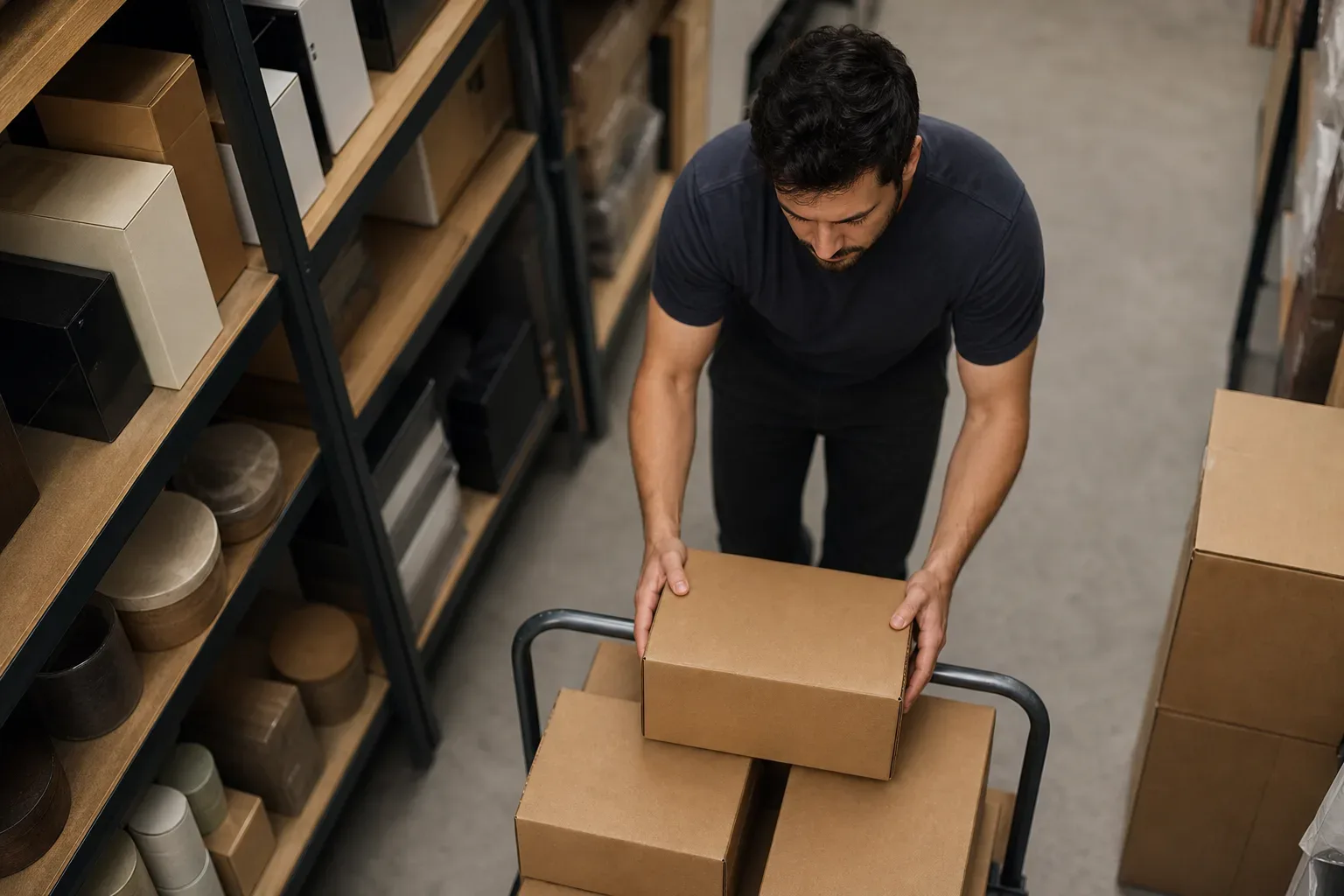
Storage Unit Sizes and What They Suit
Matching the right unit size to your items avoids paying for floor space you will never use. Melbourne facilities commonly offer units ranging from 1 sqm lockers up to 50 sqm or more, so the spectrum is wide.
Choosing the Right Unit for Your Needs
Think in terms of rooms rather than square metres first, then cross-check against the size calculator most facilities provide on their site.
Locker to 5 Sqm
Suitable for seasonal gear, archive boxes, documents, or a few loose items. Perfect for apartment dwellers clearing a wardrobe or home office.
6–8 Sqm
Fits a studio or one-bedroom worth of furniture, including a mattress and a couple of boxes.
9–12 Sqm
Covers a two-bedroom household for a typical move. A removalist team can usually load it in a single run.
13–15 Sqm
Suitable for a full two-bedroom house including a bed frame, wardrobe, dining table, and moving boxes of linen.
16–20 Sqm
Suits a three-bedroom household or a small business storing merchandise and stock between deliveries.
21–30 Sqm
Handles large households, trade equipment, or a small boat trailer alongside general goods.
30 Sqm and Above
Commonly used for vehicle storage, a shipping container's worth of inventory, or pallet storage for a storage business.
How a Size Calculator Helps
Most facilities offer a free online size estimator or calculator. Enter your room count or list of items and it returns a recommended unit size with a quote.
Getting a Free Quote
Request quotes from at least two or three locations. Inner-city Melbourne facilities typically cost 20–40% more than equivalent suburban units, so the difference can be significant. Compare like for like: check whether the quote includes insurance or a one-off fee.
Drive-Up Access and Ground-Floor Units
Drive-up access units are available at the majority of suburban Melbourne facilities but are less common in inner-city locations where land is limited. If you are moving bulky furniture or stock, confirm drive-up availability before you reserve.
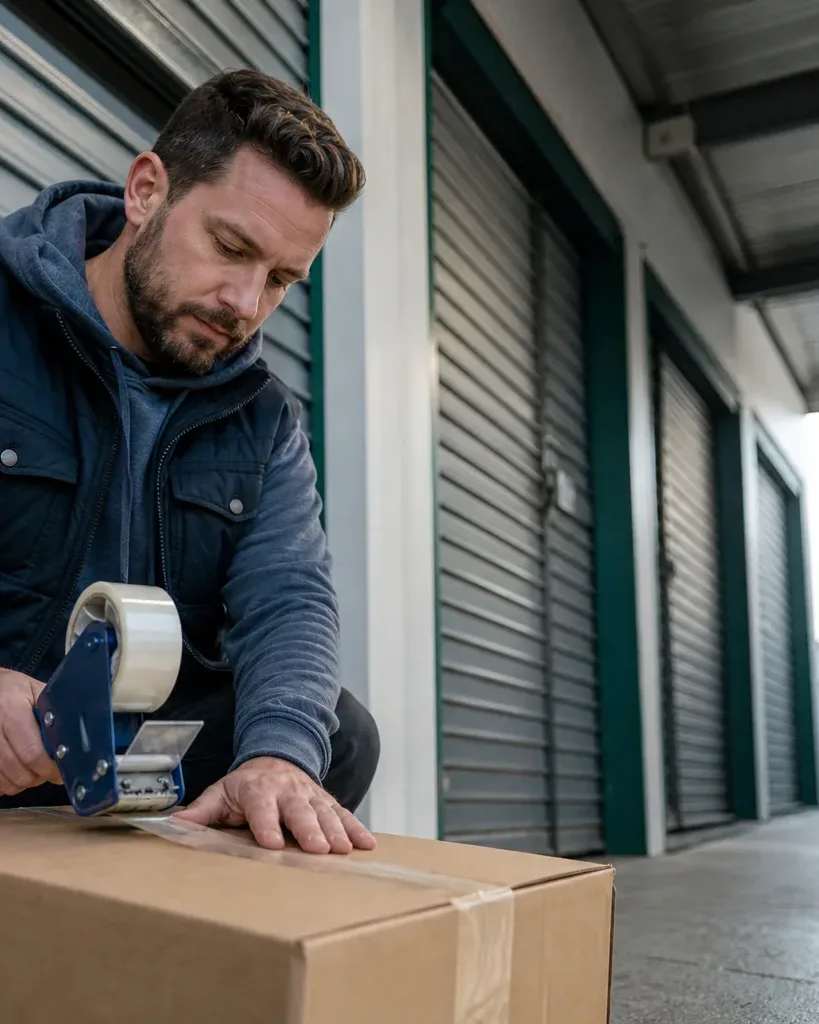
What Does Storage in South Melbourne Actually Cost?
Pricing varies by unit size, floor level, and whether climate-controlled storage is included. The figures below reflect current Melbourne metro market rates.
South Melbourne Pricing by Unit Category
Use these ranges as a baseline when comparing quotes. Suburban facilities in areas such as Collingwood, Thornbury VIC, or Pascoe Vale often come in at the lower end.
Small Units - Locker to 5 Sqm
Expect AUD $80–$150 per month. Inner-city South Melbourne locations tend toward the upper end of that band.
Medium Units - 6–15 Sqm
AUD $150–$280 per month. This range covers most one and two-bedroom household contents and suits customers in between settlements. A medium self-storage unit is the most commonly hired size across Melbourne.
Large Units - 16–30 Sqm
AUD $280–$500 per month. Premium climate-controlled units, where available, sit toward the top of this range.
Climate-Controlled Storage
Climate-controlled units are available at selected Melbourne facilities. These spaces maintain stable temperature conditions, which matters for furniture, documents, wine storage, art, and sensitive business goods.
Administration Fees
A one-off administration fee of AUD $0–$50 applies at some facilities, though many charge nothing.
Lease Terms
Most facilities accept credit card payment and operate on a rolling monthly lease. Some offer week-to-week hire for between-settlement customers.
Insurance
Contents insurance is offered by most facilities as an optional add-on, typically AUD $5–$20 per month depending on declared value. Your home-and-contents policy may already cover goods in storage, so check before you pay twice.
Minimum Rental Periods
Most Melbourne facilities offer a minimum rental period of one week to one month. Week-to-week agreements suit short moves or bridge periods.
Getting an Online Quote
Enter your preferred unit size and move-in date into the facility's online calculator. Many sites return an instant quote without requiring a phone call, which saves time when you are comparing locations. Locking in a reserve price online often secures the best available rate.
Security Standards at South Melbourne Facilities
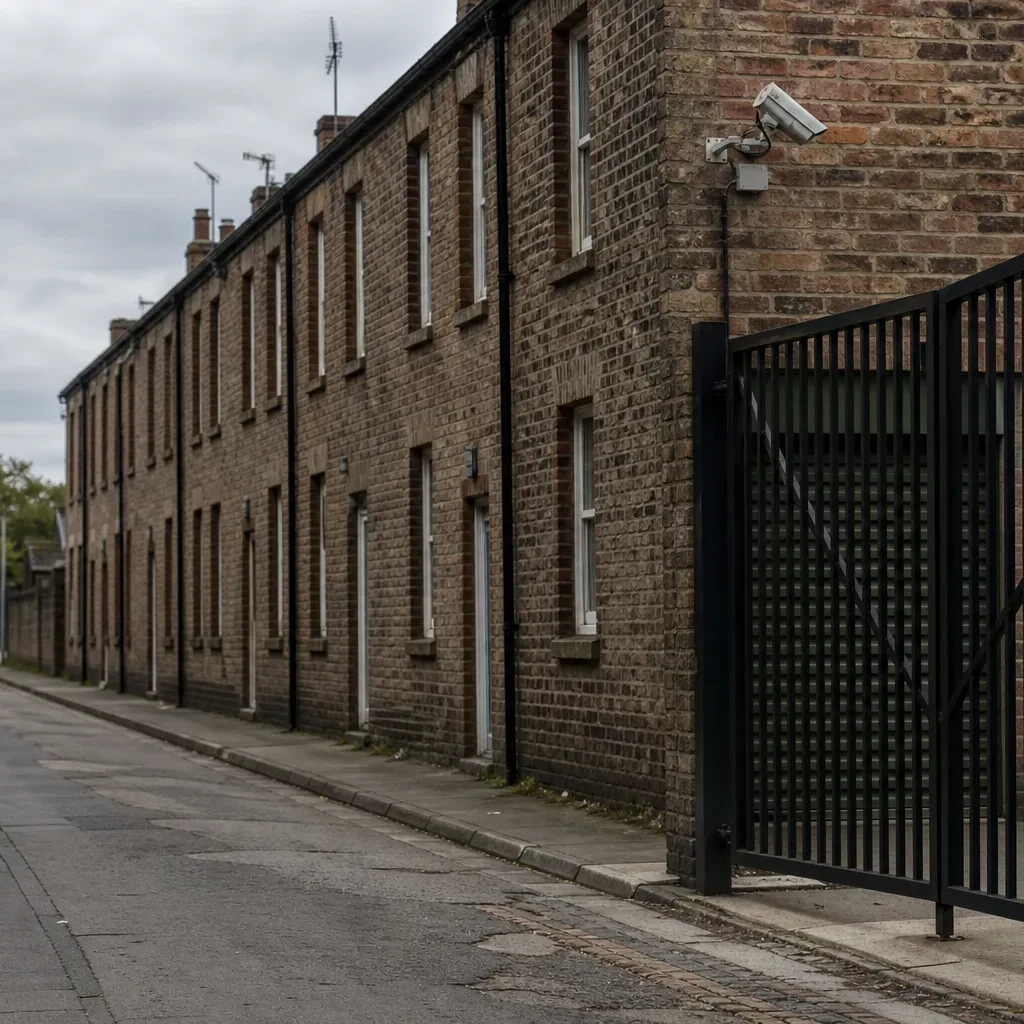
Security is a primary concern for anyone storing high-value goods or business inventory. Reputable Melbourne self storage facilities use 24-hour CCTV surveillance, individual unit alarms, and secure perimeter fencing as baseline measures. Knowing that your belongings are in a safe, well-monitored environment makes a real difference, especially for long-term storage.
What to Look for in a Storage Facility
Confirm these features before you sign, particularly if you plan to store documents, archive materials, or expensive equipment.
CCTV Camera Surveillance
Camera surveillance should cover all entry points, corridors, and the perimeter gate. Ask whether footage is monitored live or recorded only.
Individual Unit Alarms
Each storage unit should have its own alarm, separate from the building's general system. A padlock alone is not sufficient for high-value goods.
Secure Perimeter Fencing and Gated Entry
A secure gate with individual PIN access limits who can enter the site. Some facilities use a truck-sized gate for drive-up loading, which is worth confirming if you use a removalist.
Access Hours
Most Melbourne facilities offer access seven days a week, typically between 6 am and 10 pm. 24-hour access, or 24/7 access, is available at a subset of facilities and suits businesses that need to retrieve stock outside standard hours.
After-Hours Access
Facilities offering 24 hour access usually require a secondary PIN or key card and may charge a small additional fee. Confirm the details before you book if after-hours entry is a priority.
On-Site Support
Staff on site during business hours adds a layer of practical security. A staffed team can also assist with trolleys, pallet jacks, and site orientation.
Lighting
Proper lighting in corridors and loading bays makes moving goods safer and reduces the risk of items being damaged. Check the site at the time of day you expect to visit most often.
Mobile Storage Security
If you are considering mobile storage rather than a fixed storage facility, confirm how the unit is secured during transit and whether it is stored in a monitored yard between deliveries.
Mobile Storage - A Flexible Alternative
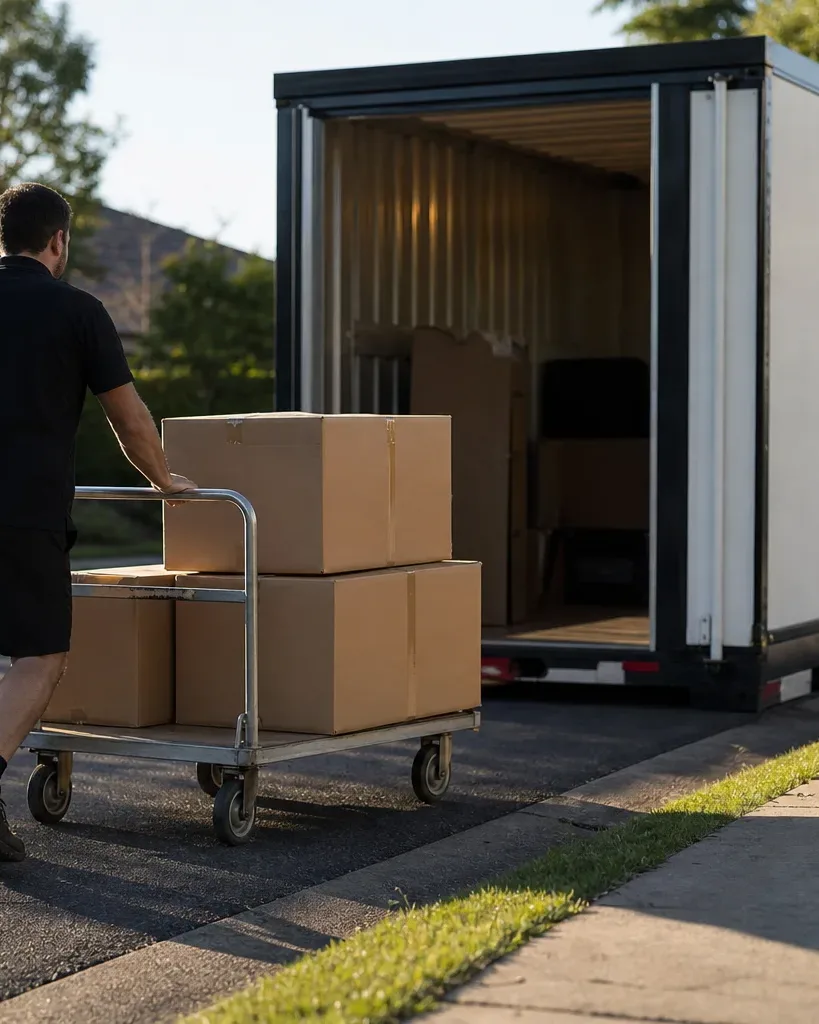
Mobile storage suits customers who want goods collected and delivered without visiting a facility. A mobile storage unit is delivered to your door, you pack it at your own pace, and the provider collects and stores it at their site. The flexibility this model offers is a genuine advantage for people managing a staged or complex move.
How Mobile Storage Works
Mobile storage is worth considering for interstate relocations or when access to a fixed site is inconvenient.
Delivery and Collection
The mobile storage provider delivers a unit to your address on an agreed day. Most Melbourne operators can arrange delivery within 24–48 hours of booking, in line with standard industry lead times.
Packing at Your Own Pace
Unlike a fixed self-storage unit where you pack on-site, a mobile storage unit sits at your property while you load. This suits customers coordinating with removalists or managing a staged move.
Mobile and Vehicle Storage Options
Some mobile storage providers also offer vehicle storage options if you need to store a car, trailer, or boat alongside household goods. Confirm dimensions before you book, as clearance requirements vary.
Returned Delivery
When you are ready to move in or need your goods back, the provider delivers the mobile storage unit to your new address. This avoids a second hire of a truck and reduces the number of handling steps.
Mobile Storage Costs
Mobile storage is typically priced per unit per month, plus a delivery and collection fee. Get a quote that itemises all charges so you can compare it accurately against a fixed self-storage unit.
Is Mobile Storage Right for a Business?
A storage business holding seasonal stock or overflow merchandise may find mobile storage practical. Units can be delivered to a warehouse, retail site, or office and collected when stock is depleted. Confirm whether the provider offers pallet jacks or forklift access for heavy goods.
Packing Materials for a Mobile Move
Stock up on bubble wrap, packing tape, butchers paper, and cardboard boxes before the mobile storage unit arrives. Good packing materials reduce the risk of damage during transit and in storage.
Packing and Moving Tips for South Melbourne Residents
Packing efficiently reduces the number of boxes you need and protects your items during the move. A simple checklist prevents overlooked details.
Start packing non-essential items at least two weeks before your move date.
Begin with rooms you use least: spare bedrooms, the cellar, or garage storage. Label every box with its destination room and a brief inventory of contents. This makes unpacking faster and helps if you ever need to locate a specific document or piece of gear without emptying the whole unit.
Use quality packing materials rather than recycled supermarket boxes. Double-walled cardboard boxes stack safely and protect fragile items. Bubble wrap and butchers paper are the most effective void fillers for crockery and glassware. Blankets and furniture pads prevent surface damage on timber and upholstered pieces during the move.
Disassemble large furniture where possible. A wardrobe broken into panels takes significantly less floor space than one left assembled, freeing up room in the storage unit for other goods. Mattress bags keep fabric surfaces clean and free of dust during longer storage periods.
For a business moving office equipment or archive boxes, number each box and keep a master inventory document. This is especially relevant for businesses storing documents, which should also confirm that their chosen storage facility meets applicable Australian privacy and corporate record-keeping obligations. Seek professional guidance on those requirements rather than relying on a storage provider's advice alone.
Hiring removalists who know the South Melbourne area saves time on parking and building access, particularly for high-rise apartments.
Pack heavy items into smaller boxes and lighter items into larger ones. This keeps individual box weights manageable for your team and reduces the risk of a box base failing under load.
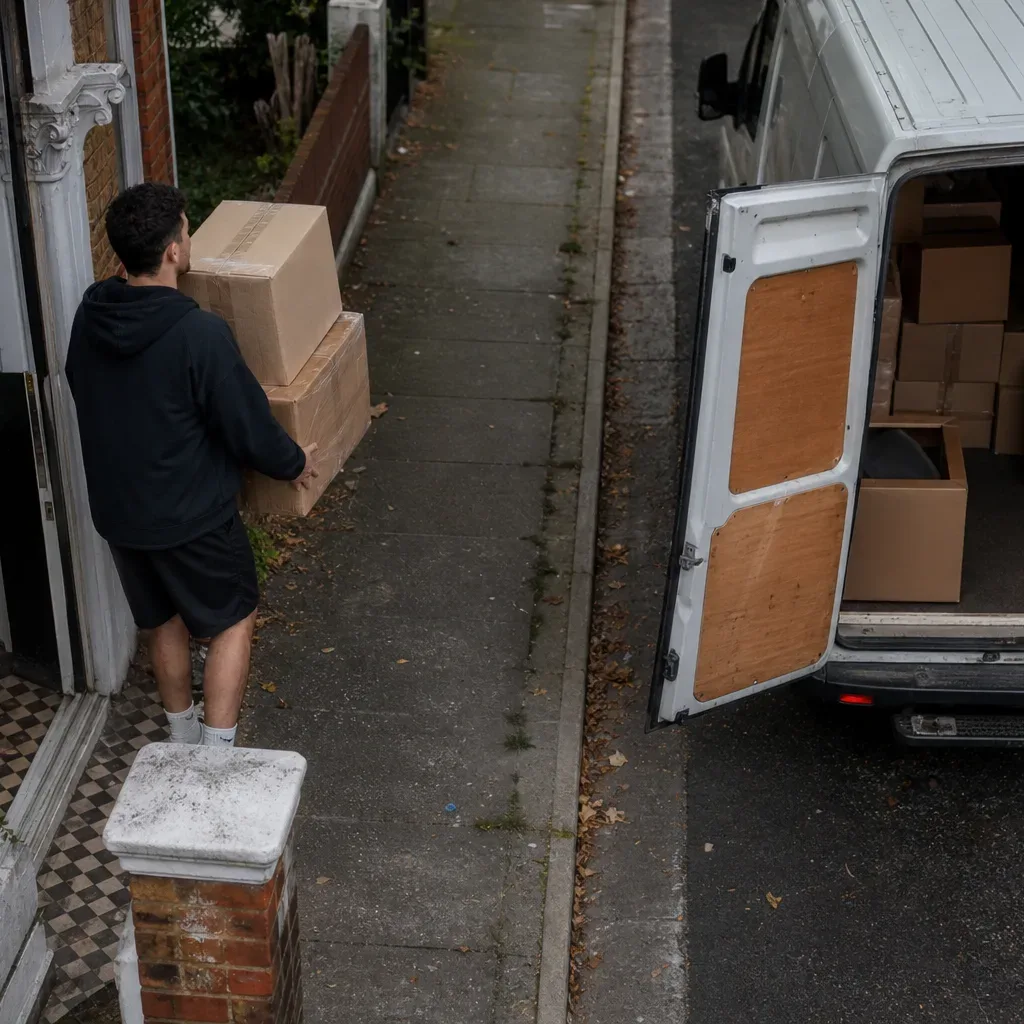
Vehicle Storage in and Around South Melbourne
Parking pressure in South Melbourne makes dedicated vehicle storage an attractive option for owners of caravans, boats, trailers, and classic cars.
Vehicle storage at a dedicated facility is typically more secure than street parking over a long period.
Suburban facilities to the north, including those around Thornbury and Collingwood, often have dedicated outdoor or undercover bays for vehicles. Inner-city South Melbourne locations have more limited space, so drive-up bays for cars are less common there. Contact facilities directly to confirm current availability, as vehicle storage bays are often the first to fill.
Sizes vary. A standard car space occupies roughly 2.3 m wide by 5.9 m long, though a boat on a trailer or a caravan needs considerably more room. Some facilities can accommodate a 20ft container or larger items on a pallet. Ask for the precise floor dimensions of any available bay before you reserve.
Vehicle storage is usually priced at the lower end of the large unit range, AUD $280–$500 per month, depending on whether the bay is covered and what security the site provides. Confirm whether your car or boat insurance policy extends to goods stored off your property, or whether you need to organise a separate cover through the storage facility.
For boats and trailers, facilities offering forklift assistance or wide drive-through gates simplify the check-in process significantly. Ask about maximum height and weight limits before you transport your vehicle to the site.
Additional Services at South Melbourne Storage Facilities
Most reputable facilities go beyond bare floor space and offer services that simplify the whole moving and storage process. Knowing what is available helps you plan and reduces the number of separate suppliers you need.
Packing and moving supplies are stocked at most facilities. A box shop on-site typically carries cardboard boxes in several sizes, packing tape, bubble wrap, butchers paper, packaging paper, and mattress bags. Buying supplies at the storage facility saves a separate trip and ensures the box sizes suit the standard shelving in your unit.
Trolleys and pallet jacks are usually available free of charge on-site for customers moving in or out. Some locations also have lifts for multi-storey buildings and wide loading bays that accommodate a truck or large van. Check whether these items need to be reserved in advance, particularly during peak moving periods.
Wine storage is offered at selected facilities with stable temperature environments, though it differs from full climate-controlled storage in its specific configuration. Cellar-style wine storage suits collectors who lack space at home.
Business customers storing office stock, merchandise, or pallets may be able to organise a managed inventory service at larger facilities. Some storage business operators also accept mail and parcel deliveries on behalf of their customers. Confirm the email and notification process for any parcel delivery service before you sign up.
Removalist referrals are common. Many facilities maintain a list of trusted local movers and can recommend a team familiar with South Melbourne building access restrictions.
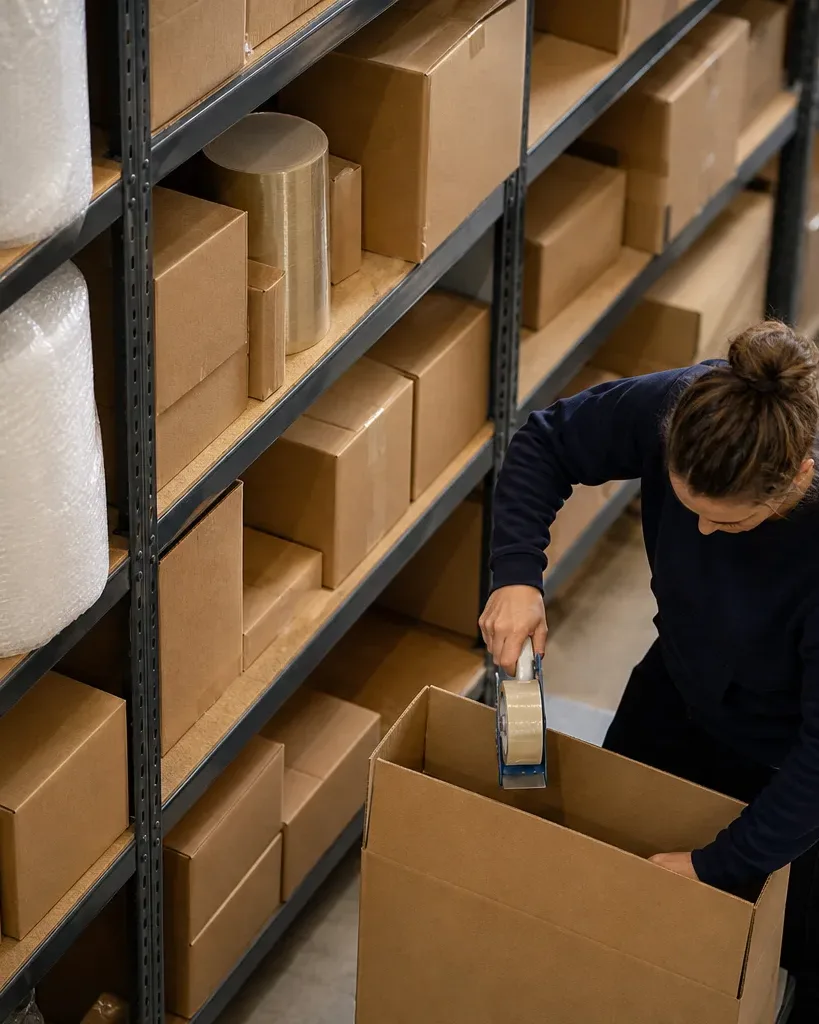
How Do I Book a Storage Unit in South Melbourne?
Booking takes between a few minutes online and one business day, depending on the facility. Most Melbourne self storage facilities can accommodate move-in within 24–48 hours of booking.
Start by using an online size calculator to identify the right unit. Enter the contents of your home or office and the calculator returns a recommended size and an instant price. If you are unsure, most staff teams are available by phone or email during business hours to walk through the options.
Once you have a quote, reserve the unit online or by phone. Many facilities accept a credit card payment to hold the unit without charging the first month's rent immediately. Read the lease terms carefully, particularly around minimum rental periods, notice requirements, and what happens if you need to move to a larger or smaller unit mid-term.
If you are storing goods for a business, confirm whether a formal business lease is required or whether a standard residential agreement is acceptable. Document storage for business purposes carries additional obligations under Australian privacy and corporate law, so seek appropriate professional advice on record-keeping requirements.
Thornbury VIC and surrounding suburbs offer genuine self-storage flexibility compared with inner-city options: shorter minimum terms, lower monthly rates, and easier drive-up access in many cases. It is worth comparing a Thornbury storage space against South Melbourne pricing before you commit, as the savings across even a three-month period can be substantial.
Bring a valid padlock on move-in day. Most facilities do not provide a lock as part of the standard hire agreement, though some offer locks for sale or hire at the front desk. Arrive during staffed hours on your first visit so the team can walk you through the site layout, show you trolley and lift locations, and confirm your access PIN or key card.
Check access hours one final time before you sign. Standard hours run from around 6 am to 10 pm across most Melbourne locations, though 24/7 access is available at a subset of sites if your schedule requires it.
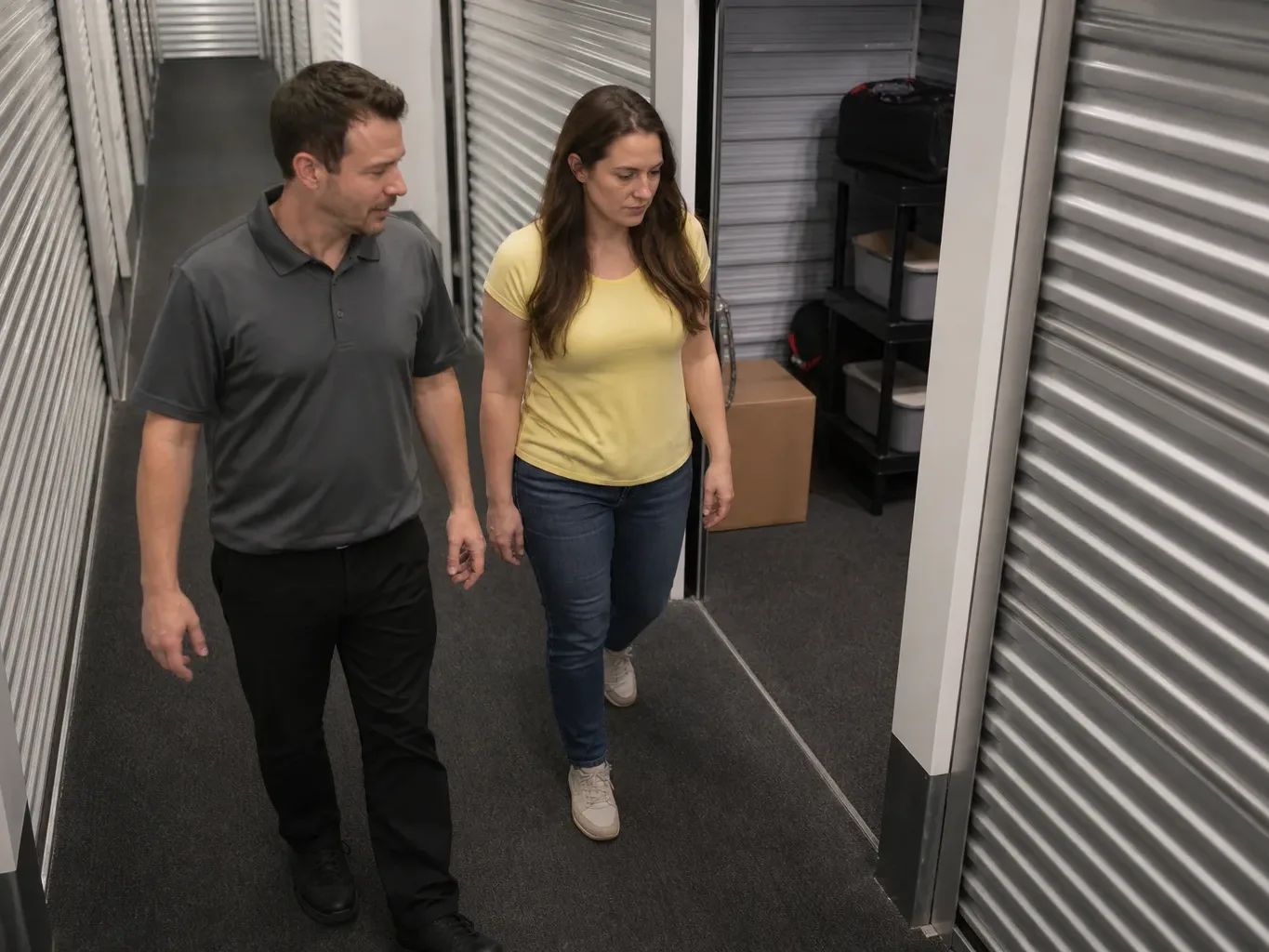
Frequently Asked Questions
Where Is the Cheapest Self-storage?
Suburban facilities are almost always cheaper than inner-city locations. Melbourne self storage units in areas such as Thornbury, Pascoe Vale, and Sunshine typically cost 20–40% less than equivalent units in South Melbourne or the CBD, so comparing a few suburban quotes alongside inner-city options is the fastest way to find a lower price.
How Much Notice Do I Need to Give Before Moving Out of a Storage Unit?
Most Melbourne self storage facilities require between 7 and 14 days' written notice before vacating. Check your lease for the exact period, as some facilities require a full calendar month's notice, particularly for larger units or business accounts.
Can I Access My Storage Unit Outside Business Hours?
Most Melbourne facilities offer access seven days a week between approximately 6 am and 10 pm. A subset of locations offer 24-hour access, which suits businesses or customers who need to retrieve goods at short notice outside standard hours.
What Items Are Not Allowed in a Self Storage Unit?
Prohibited items typically include flammable liquids, gas bottles, perishable food, live animals, and illegal goods. Most facilities provide a full list in the lease agreement. If you are unsure about a specific item, contact the facility's staff team before move-in day.
Do I Need Insurance for Goods I Place in Storage?
Insurance is not legally required, but it is strongly recommended. Most Melbourne self storage facilities offer contents protection as an optional add-on from approximately AUD $5–$20 per month. Your existing home-and-contents policy may already cover goods stored off your property, so check the policy details before paying for a separate add-on.