 Melbourne Self Storage
Medical & Pharmaceutical Storage Facilities in Melbourne

Why Medical Storage Demands More Than a Standard Unit
Storing medical supplies, pharmaceuticals, or clinical equipment is not the same as storing household furniture. Temperature excursions can render medications ineffective or unsafe. Improper humidity levels accelerate the degradation of sterile packaging. Beyond product integrity, healthcare businesses operating in Victoria must satisfy record-keeping obligations under applicable Australian privacy and corporate law, which extends to how and where physical records and regulated goods are held.
Melbourne's self storage market has responded to this demand. Selected facilities across the metropolitan area now offer climate-controlled environments that maintain temperatures between approximately 18–24°C, purpose-built for operators who cannot afford to store product in unregulated conditions.
What to Look for in a Medical Storage Facility
Climate Control and Environmental Consistency
A unit that cools itself only during business hours offers little protection for temperature-sensitive stock overnight. Reputable facilities maintain continuous climate regulation, not just daytime conditioning. Ask for recorded temperature logs and find out whether the system has a backup generator. Pharmaceutical wholesalers, dental practices, and allied health operators should also check whether humidity control is included, since moisture can compromise packaging even when temperatures stay within range.
Security Standards
Leading Melbourne self storage facilities provide 24-hour CCTV surveillance, individual unit alarms, and secure perimeter fencing as a baseline. For medical or pharmaceutical stock, those features are a minimum rather than a differentiator. Access control via PIN or keycard, audit trails of who entered and when, and restricted facility access hours all add meaningful protection. Some operators offer monitored alarms that connect directly to a security response company, which is worth confirming if you are storing schedule medicines or high-value equipment.
Access Hours and Logistics
Most Melbourne facilities offer access 7 days a week, typically 6 am–10 pm, with 24-hour access available at a smaller number of sites. Medical and healthcare businesses often need early-morning or after-hours access for urgent stock retrieval, so confirming the specific access window before signing an agreement matters. Drive-up access units are common at suburban Melbourne facilities, which makes loading and unloading clinical equipment considerably more practical. Inner-city locations tend to have more restricted loading arrangements due to site constraints.
Compliance Documentation
Businessers storing documents or regulated goods should ensure the facility can support their compliance obligations. This includes providing written confirmation of temperature ranges maintained, security certifications, and any pest-control protocols in place. That documentation may be required during a TGA audit or an internal accreditation review. Seek independent legal or regulatory advice about which specific standards apply to your business before committing to a facility.
Unit Sizes and Costs for Healthcare Operators
Melbourne facilities commonly offer units ranging from 1 sqm lockers up to 50 sqm or more. Medical storage needs vary considerably: a solo GP practice archiving physical records needs far less space than a pharmaceutical distributor holding ambient-temperature stock.
Small units, covering locker-sized spaces up to roughly 5 sqm, typically cost AUD $80–$150 per month. Medium units from 6–15 sqm, which suit the contents of a one-to-two-bedroom household and comfortably hold the consumables of a small clinic, run AUD $150–$280 per month. Large units from 16–30 sqm, suited to medical equipment, vehicle storage, or significant inventory, range from AUD $280–$500 per month, with premium climate-controlled units at the upper end of that bracket.
Inner-city Melbourne facilities typically cost 20–40% more than equivalent suburban units. A climate-controlled 10 sqm unit near the CBD or South Melbourne will price noticeably higher than a comparable unit in Dandenong or Sunshine. For businesses that do not require rapid city-centre access, suburban facilities often deliver the same environmental standards at a meaningfully lower monthly cost.
Most facilities charge a one-off administration fee of AUD $0–$50, though many charge nothing. Contents protection is available as an optional add-on from approximately AUD $5–$20 per month depending on declared value. Standard home-and-contents policies may also extend to stored goods, so check your existing policy before purchasing a facility add-on.
Short-Term Versus Long-Term Medical Storage
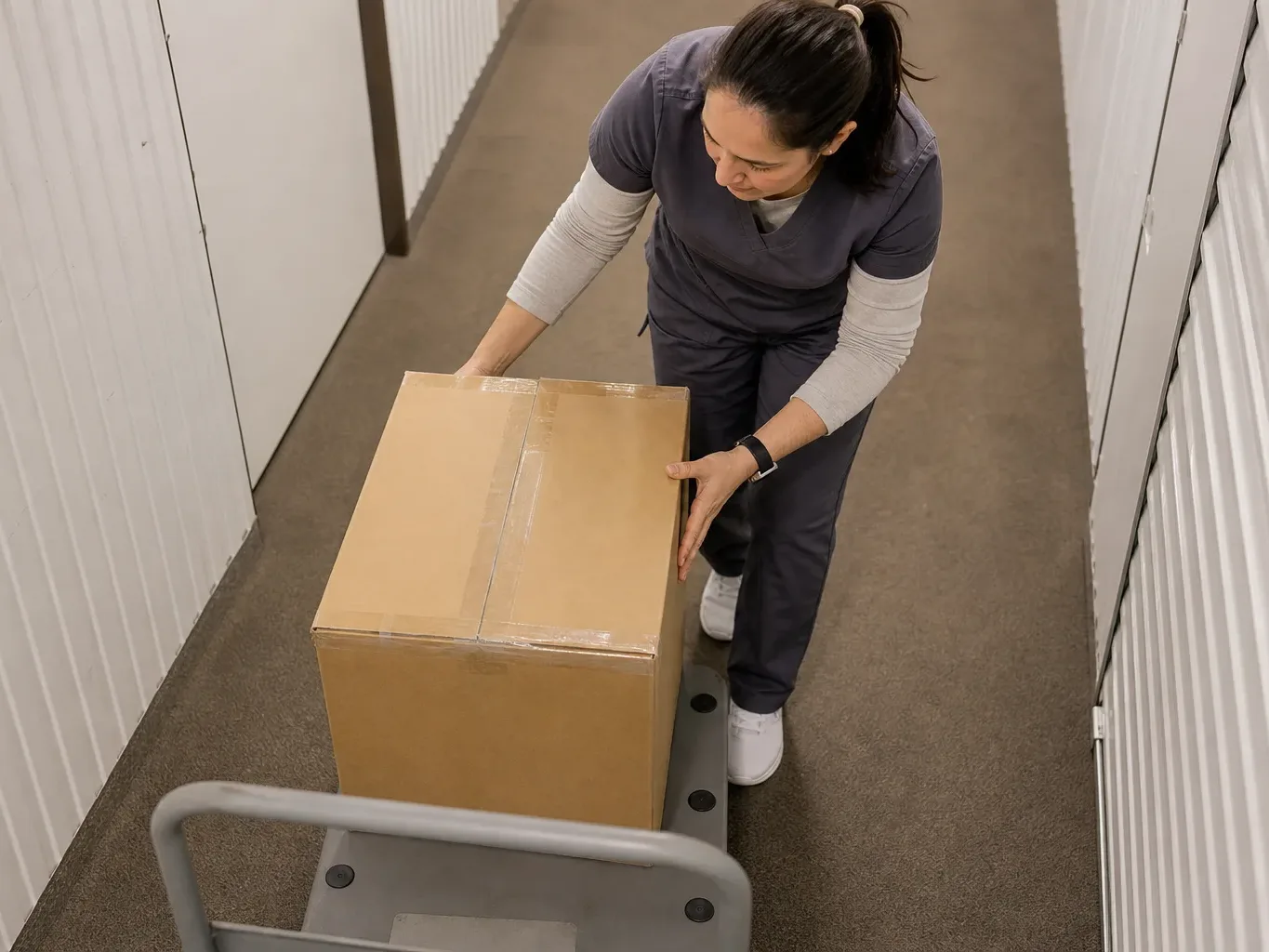
Not every healthcare storage need is permanent. A practice relocating premises, a hospital clearing space during a renovation, or a research team bridging between sites may need storage for weeks rather than years. Most Melbourne self storage facilities offer a minimum rental of one week to one month, with week-to-week agreements common. Most facilities can accommodate move-in within 24–48 hours of booking, which matters when a clinic needs to vacate at short notice.
For longer-term arrangements, locking in a contract directly with a facility often yields a lower per-month rate. Some operators also offer dedicated medical storage packages that bundle climate control, enhanced security, and compliance documentation into a single agreement.
Suburban Melbourne Versus Inner-City Options
Melbourne has more than 200 self storage facilities across the metropolitan area, spread from the CBD fringe to the urban fringe in areas including Dandenong, Brunswick, Sunshine, and the Mornington Peninsula corridor. That spread gives healthcare businesses a genuine choice between proximity and cost.
A specialist medical clinic or pathology provider operating from Fitzroy or Carlton may prioritise a facility within a 10-minute drive and accept the inner-city price premium. A pharmaceutical distributor running a fleet of delivery vehicles from an eastern-suburbs depot has less reason to pay that premium. The right choice depends on how often you need access, whether drive-up loading is essential, and what your compliance documentation requires.
Questions to Ask Before Signing
Before committing to any facility, run through these practical checks:
- Can the facility provide written temperature and humidity records on request?
- Is climate control active 24 hours, including weekends and public holidays?
- What is the security audit trail protocol, and can you receive access logs?
- Does the facility carry liability insurance for goods stored in its care?
- Are there any restrictions on storing schedule medicines or regulated biological materials?
Getting clear written answers to each of these questions protects both your stock and your regulatory standing. A facility that cannot answer confidently is one to avoid regardless of price.
Frequently Asked Questions
What Makes a Storage Facility Medical-grade?
A medical-grade storage facility maintains continuous climate control, typically between 18–24°C, combined with monitored humidity levels, 24-hour CCTV surveillance, individual unit alarms, and documented access controls. It should also be able to provide written temperature logs and comply with any TGA or accreditation requirements relevant to the goods being stored. Pest control protocols and secure perimeter fencing are baseline expectations for reputable facilities in Melbourne.
Where Can I Find the Cheapest Storage in Melbourne?
Suburban Melbourne facilities in areas such as Dandenong, Sunshine, and Coburg typically offer the most affordable rates, often 20–40% cheaper than inner-city equivalents. Small units (up to 5 sqm) start from around AUD $80 per month, while medium units (6–15 sqm) range from AUD $150–$280 per month. For medical storage specifically, the cheapest option may not meet climate or compliance requirements, so weigh cost against the environmental standards your goods need.
Is Climate Control Necessary for Medical Storage?
For most pharmaceutical products, biological samples, and temperature-sensitive medical consumables, climate control is not optional. Temperature excursions outside the 18–24°C range can degrade active ingredients, compromise sterile packaging, and potentially render products unsafe. Even for non-pharmaceutical medical records or equipment, humidity control prevents mould and corrosion. Melbourne's summer peaks and cold winters make an unregulated unit a genuine risk for healthcare inventory.
Which Storage Company Is the Best?
There is no single best storage company for medical use in Melbourne; the right choice depends on your location, the type of goods you are storing, and your compliance requirements. Evaluate facilities on climate control documentation, security audit trails, access hours, and whether they can provide written confirmation of conditions maintained. Getting quotes from two or three facilities in your preferred suburb and comparing their compliance documentation is a more reliable approach than relying on brand name alone.
What Are the Largest Self-storage Companies in Australia?
The largest self-storage operators in Australia include National Storage, Kennards Self Storage, and StorageMart, all of which have multiple locations across the Melbourne metropolitan area. These national operators typically offer standardised security and access features, though climate-controlled medical storage availability varies by individual site. It is worth contacting specific locations directly to confirm whether they can meet medical or pharmaceutical storage requirements rather than assuming a national brand offers uniform standards.