 Melbourne Self Storage
Business Storage Solutions in Melbourne
Why Melbourne Businesses Are Turning to Off-Site Storage
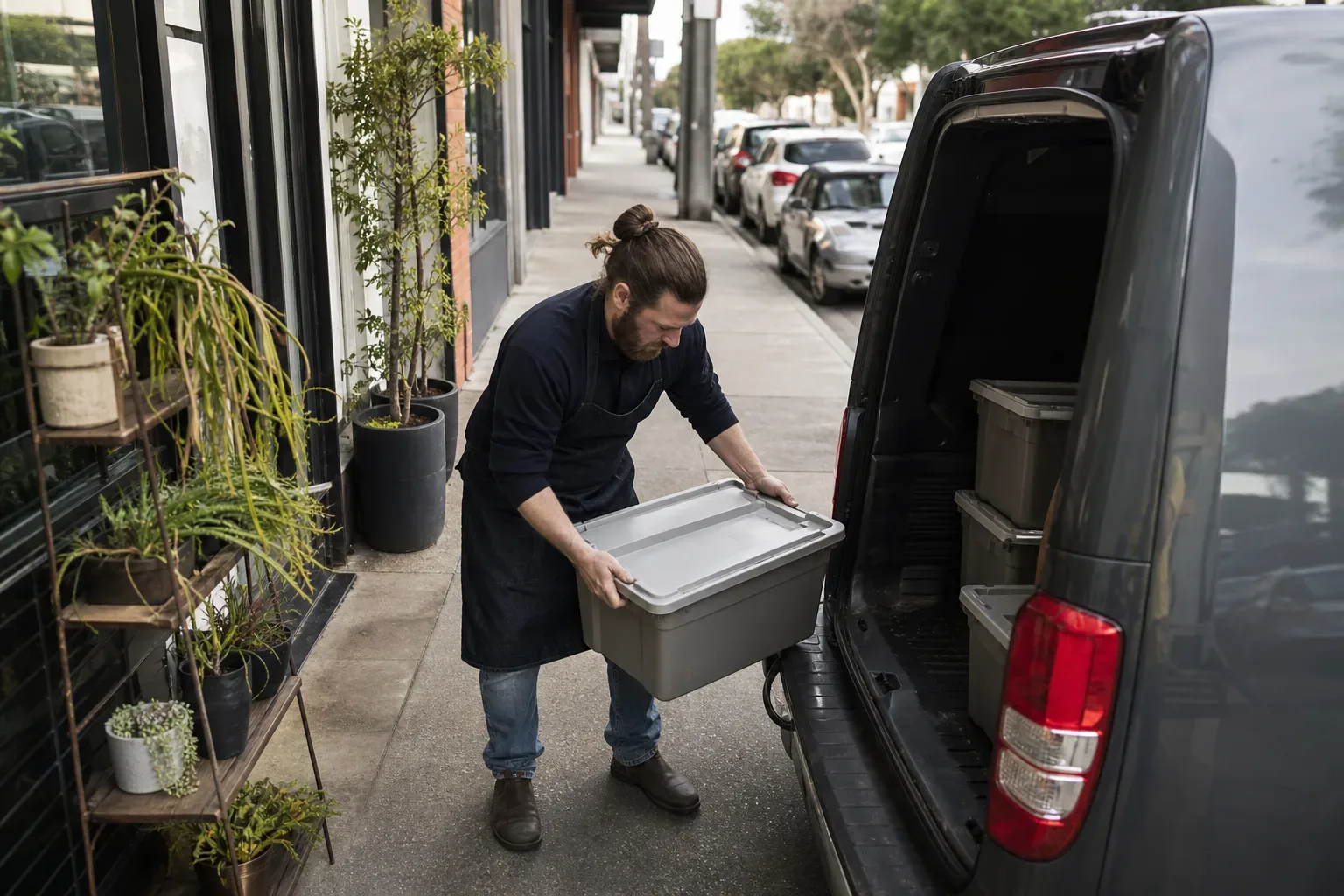
Rising commercial rents across Melbourne's CBD, Fitzroy, and South Melbourne have made on-site storage a luxury many businesses can no longer justify. A retail shop paying per square metre for prime real estate cannot afford to dedicate that space to seasonal stock or archived records. Off-site self storage gives businesses a practical, cost-controlled alternative without long commercial lease obligations.
Melbourne has more than 200 self storage facilities spread across the metropolitan area, from inner-city locations in Cremorne and Port Melbourne to suburban sites in Dandenong, Sunshine, and Brunswick. That density means most businesses can find a facility within a reasonable distance of their premises or staff. Many facilities offer move-in within 24–48 hours of booking, which suits businesses facing sudden overflow situations.
What Storage Solutions Do Businesses Need?
Most Melbourne businesses need a combination of document archiving, stock overflow, and equipment storage, with the right unit size depending on volume and access frequency. A tradie storing tools and materials needs drive-up access and a large footprint. An e-commerce seller managing seasonal peaks needs flexible, short-term capacity that can scale up and down. A professional services firm primarily needs secure, dry space for paper records with reliable access hours.
Melbourne self storage facilities commonly offer units ranging from 1 sqm lockers up to 50 sqm or more. That range covers everything from a small filing overflow to a full warehouse alternative. Businesses running inventory typically look at medium units of 6–15 sqm, priced from AUD $150–$280 per month, or large units of 16–30 sqm at AUD $280–$500 per month for significant stock volumes or bulky equipment.
Matching Unit Size to Business Type
A sole trader or home-based business often fits within a small unit of up to 5 sqm, costing AUD $80–$150 per month, which comfortably holds a few shelving bays of product or a filing cabinet and several archive boxes. A small retailer managing seasonal merchandise changes typically needs a medium unit. Larger units suit importers, tradespeople with vehicle storage needs, or businesses holding significant hardware inventory.
Access hours matter as much as size. Most Melbourne facilities operate 7 days a week, typically between 6 am and 10 pm. A subset offer 24-hour access, which is worth confirming directly if your team needs to retrieve stock outside standard hours.
Do I Need Climate-Controlled Storage for My Business?
Climate-controlled storage is necessary when your goods are sensitive to temperature swings or humidity, which is a genuine risk in Melbourne's variable climate. Selected Melbourne facilities maintain units between approximately 18–24°C year-round. That consistency matters for electronics, timber furniture, pharmaceutical samples, leather goods, archival documents, and artwork.
Standard units without climate control are perfectly adequate for most hard goods, metal equipment, and general retail stock. The cost premium for a climate-controlled unit is real, with inner-city facilities already sitting at the higher end of the pricing range. If your stock is heat-tolerant and you are cost-conscious, a suburban facility with a standard unit will typically serve you well.
Documents and Compliance Considerations
Businesses storing records should consider that paper degrades faster in humid or hot environments. A climate-controlled unit extends the useful life of physical records. Businesses storing documents in Melbourne should also ensure their chosen facility meets applicable record-keeping obligations under Australian privacy and corporate law. That is not a question storage facilities can answer on your behalf, so seek professional guidance on retention requirements before choosing a storage format.
How Does Pricing Work for Business Storage in Melbourne?
Melbourne storage pricing varies significantly by location, unit size, and features. Inner-city facilities in areas like South Melbourne or Fitzroy typically cost 20–40% more than equivalent units at suburban sites in Dandenong or Coburg. For a business that does not need daily access, choosing a facility 15–20 minutes further out can represent a meaningful monthly saving across a medium or large unit.
Most facilities charge a one-off administration fee of AUD $0–$50 at sign-up, with many charging nothing. Contents insurance is an optional add-on available at most Melbourne facilities, covering declared value from approximately AUD $5–$20 per month. Check whether your existing business insurance policy already covers goods stored off-site before paying for a duplicate policy.
Minimum rental periods are generally 1 week to 1 month, which suits businesses dealing with settlement gaps, fit-out periods, or short product campaigns. Week-to-week agreements are common and avoid locking you into long commitments.

What Security Should Business Storage Provide?
Reputable Melbourne self storage facilities use 24-hour CCTV surveillance, individual unit alarms, and secure perimeter fencing. Those three features together significantly reduce theft and unauthorised access risk. When evaluating a facility, ask specifically whether individual unit alarms are included or an optional upgrade, as practice varies.
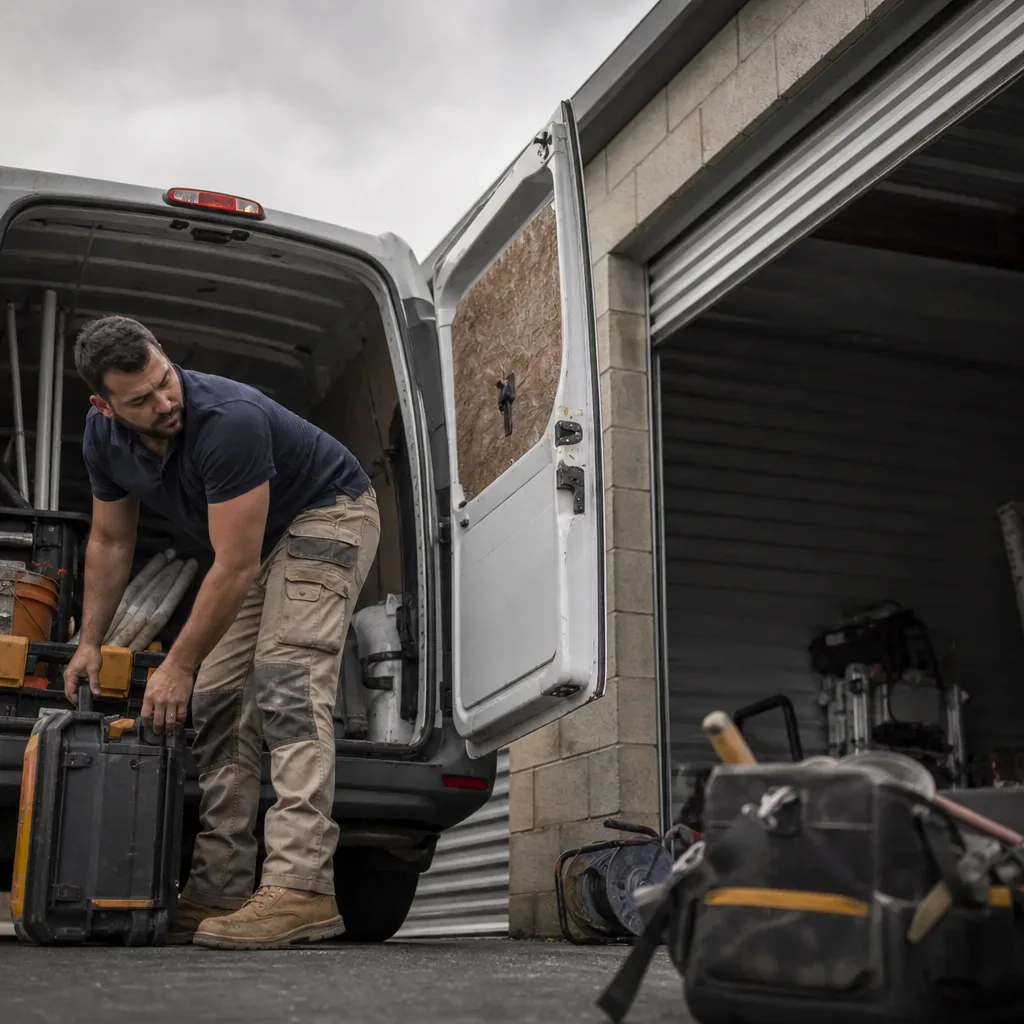
Drive-up access units are available at the majority of suburban Melbourne facilities, which suits businesses unloading heavy stock directly from a van or ute. Inner-city sites are more constrained by land availability, so drive-up access is less common there. If your team is regularly moving bulky items, factor ground-floor drive-up access into your facility shortlist from the outset.
Managing Storage Costs Across a Business Year
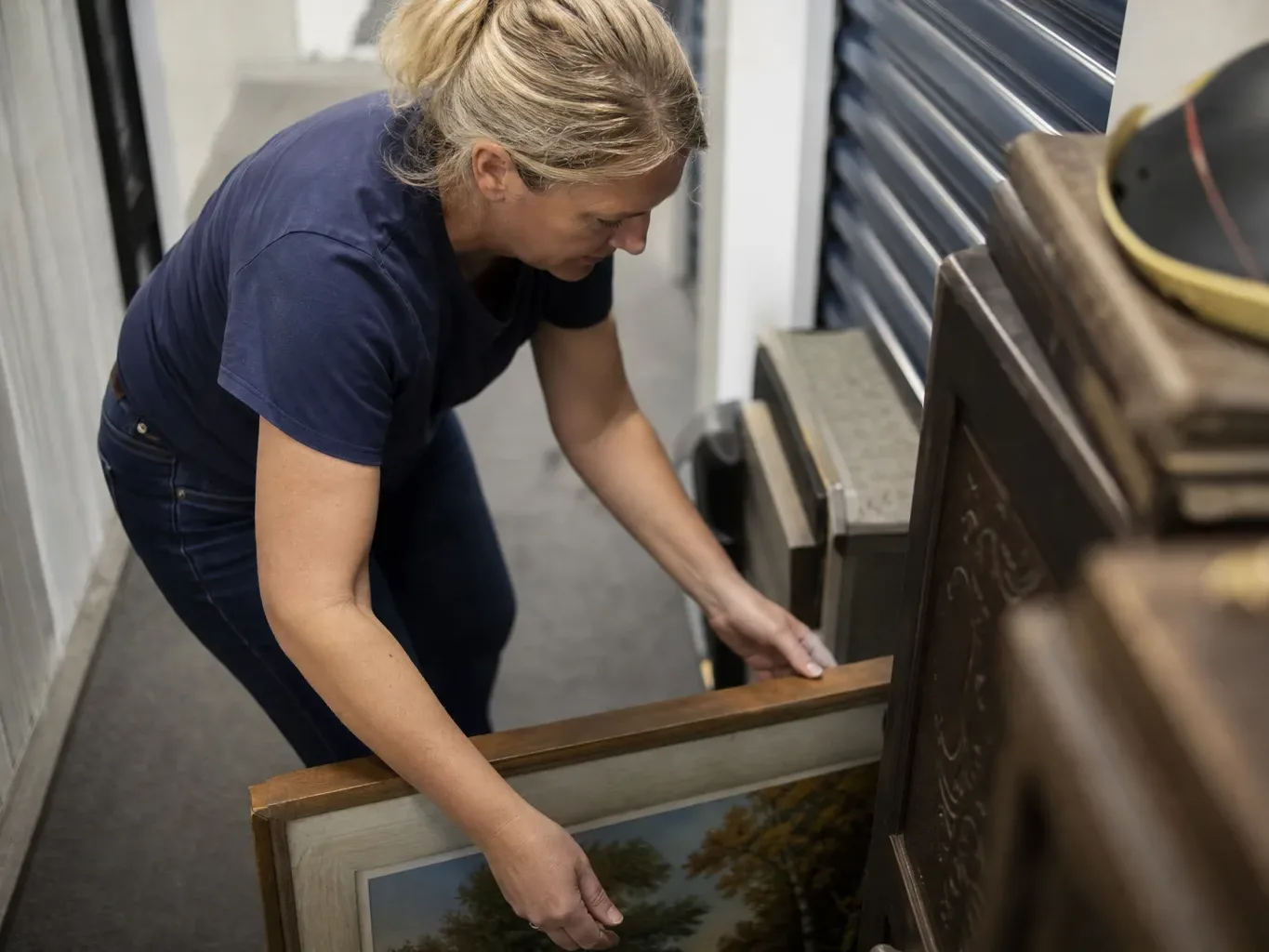
Storage costs are a controllable overhead when you treat them actively rather than setting and forgetting. Conduct a quarterly audit of what is actually in your unit and remove dead stock or obsolete equipment promptly. A business paying for a large unit to house items it no longer uses is paying a premium for disorganisation.
Seasonal businesses can often negotiate short-term upgrades. If you know that October through December will spike your stock volume, moving to a larger unit for three months and stepping back down is entirely practical under most Melbourne facility agreements. The flexibility of self storage, compared to a fixed commercial lease, is one of its core practical advantages for businesses with fluctuating inventory cycles.
Frequently Asked Questions
What Storage Solutions Do Businesses Need?
Most Melbourne businesses need some combination of document archiving, stock overflow space, and equipment storage. The right unit size depends on volume and how frequently you need access. Small units from AUD $80–$150 per month suit sole traders and filing overflow, while medium units at AUD $150–$280 per month work for retail stock, and large units at AUD $280–$500 per month cover bulk inventory or tradespeople with heavy equipment.
Do I Need Climate-controlled Storage for My Business?
Climate-controlled storage is worth the investment if your goods include electronics, timber, pharmaceuticals, leather, archival documents, or anything sensitive to heat or humidity. Selected Melbourne facilities maintain units between approximately 18–24°C. Standard units are adequate for most hard goods and general retail stock where temperature variation poses no risk.
How Much Does Business Storage Cost in Melbourne?
Pricing depends on unit size and location. Small units up to 5 sqm cost AUD $80–$150 per month, medium units of 6–15 sqm cost AUD $150–$280 per month, and large units of 16–30 sqm cost AUD $280–$500 per month. Inner-city Melbourne facilities typically cost 20–40% more than equivalent suburban sites, so businesses without daily access needs can often save meaningfully by choosing a facility further from the CBD.
Can I Store Business Documents in a Self Storage Unit in Melbourne?
Yes, and many Melbourne businesses use self storage for archive boxes and filing records. For sensitive documents, a climate-controlled unit reduces degradation risk from humidity and heat. Businesses should also verify that their storage arrangement meets applicable record-keeping obligations under Australian privacy and corporate law, so seek professional advice on compliance requirements before committing to an off-site document storage approach.
What Is the Minimum Rental Period for Business Storage in Melbourne?
Most Melbourne self storage facilities offer a minimum rental period of 1 week to 1 month, with week-to-week agreements available at many sites. This suits businesses managing settlement gaps, short-term product campaigns, or seasonal inventory peaks. There is typically a one-off administration fee of AUD $0–$50 at sign-up, with many facilities charging nothing at all.