 Melbourne Self Storage
Packing Tips for Self Storage - A Melbourne Mover's Checklist
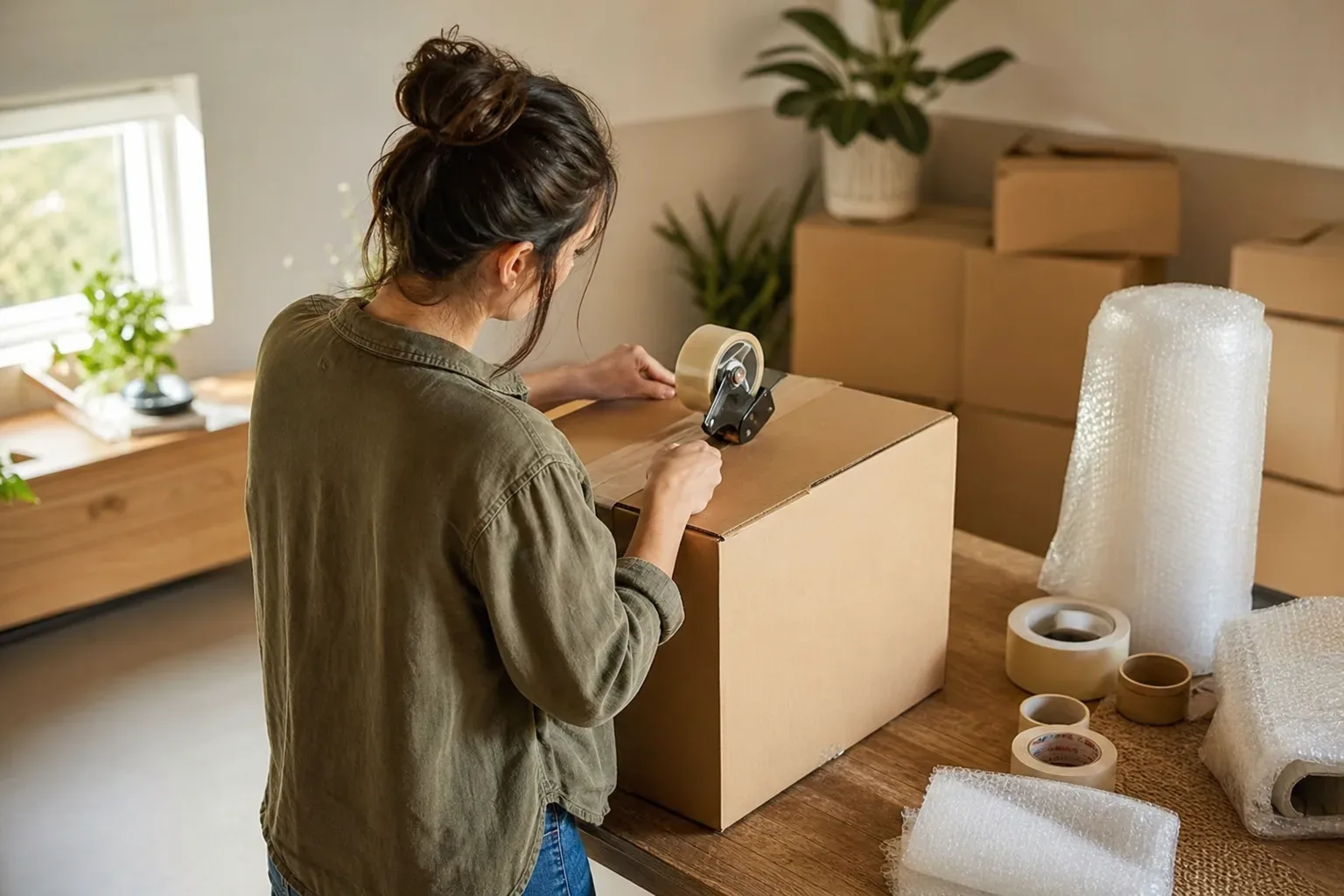
Packing well before moving into a storage unit saves time, protects possessions, and makes retrieval far less stressful. Whether you are clearing a bedroom ahead of a renovation, storing business stock between leases, or staging an apartment for sale, the same core principles apply. Collingwood residents have practical options close to home, and details on local availability, unit sizes, and rental rates are listed at https://storagex.com.au/self-storage-collingwood/. The checklist below takes you from gathering packing materials through to loading the final pallet.
Getting the Right Supplies Before You Pack
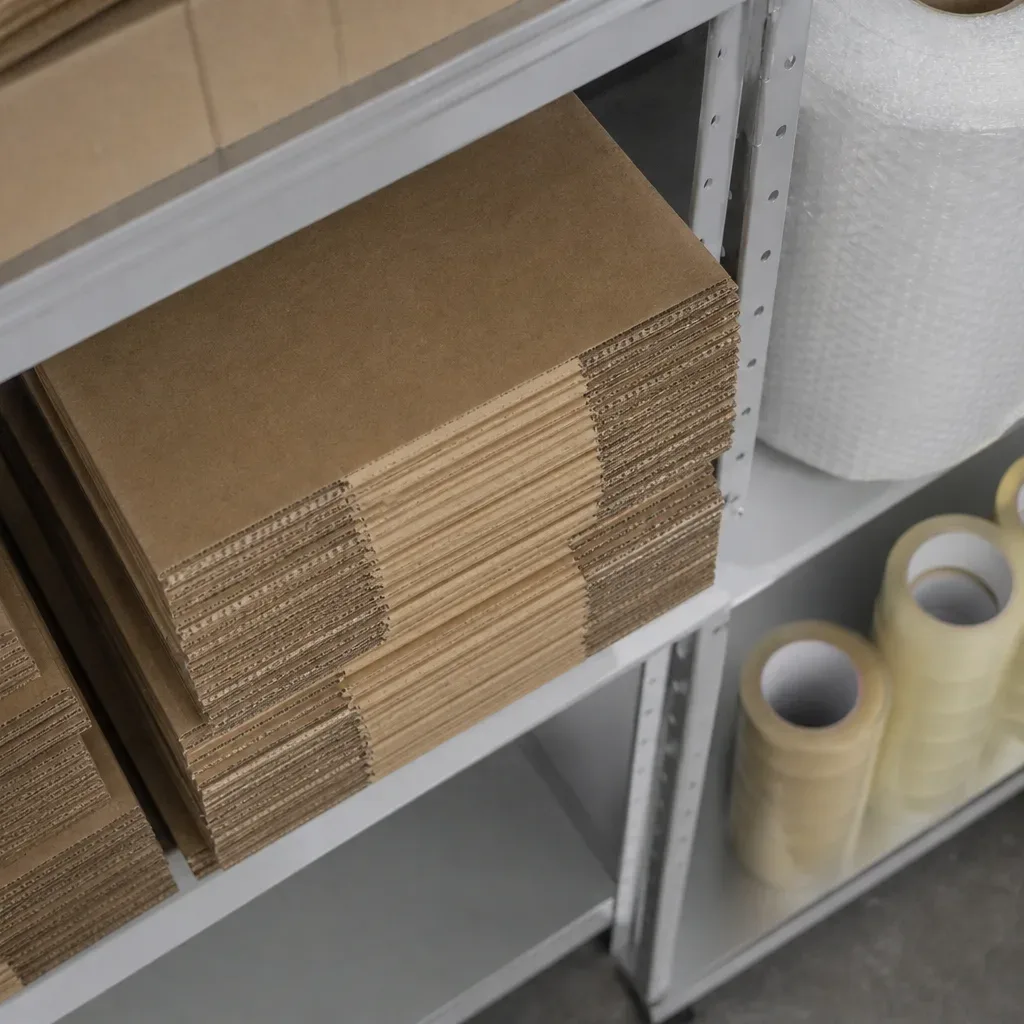
Buying packing materials in bulk before you start saves multiple trips and keeps momentum going on moving day. A good starting point is two to three rolls of packing tape per bedroom, one roll of bubble wrap per fragile item category, and a stack of butchers paper for wrapping ceramics and glassware without ink transfer.
Core Packing Materials Checklist
Stock these before you touch a single shelf.
Moving Boxes in the Right Sizes
Small, medium, and large moving boxes each serve a different purpose. Heavy items such as books fill small boxes so the base does not give way. Linen and pillows suit large, lightweight cartons.
Bubble Wrap for Fragile Loads
Wrap each fragile piece individually. Double-wrap art, mirrors, and wine storage racks. Roll edges under and tape them flat so the item cannot shift inside the box.
Butchers Paper as a Free-From-Ink Alternative
Butchers paper is cheaper per sheet than bubble wrap and works well for plates, mugs, and ornaments. Layer three to four sheets per item for adequate cushioning.
Packing Tape and a Tape Gun
A tape gun speeds up sealing significantly. Reinforce every box base with two strips running perpendicular to the fold line.
Permanent Markers for Labelling
Label every box on two sides, not just the top. When boxes are stacked in a self storage unit, top labels become invisible.
Padlocks - What Grade to Buy
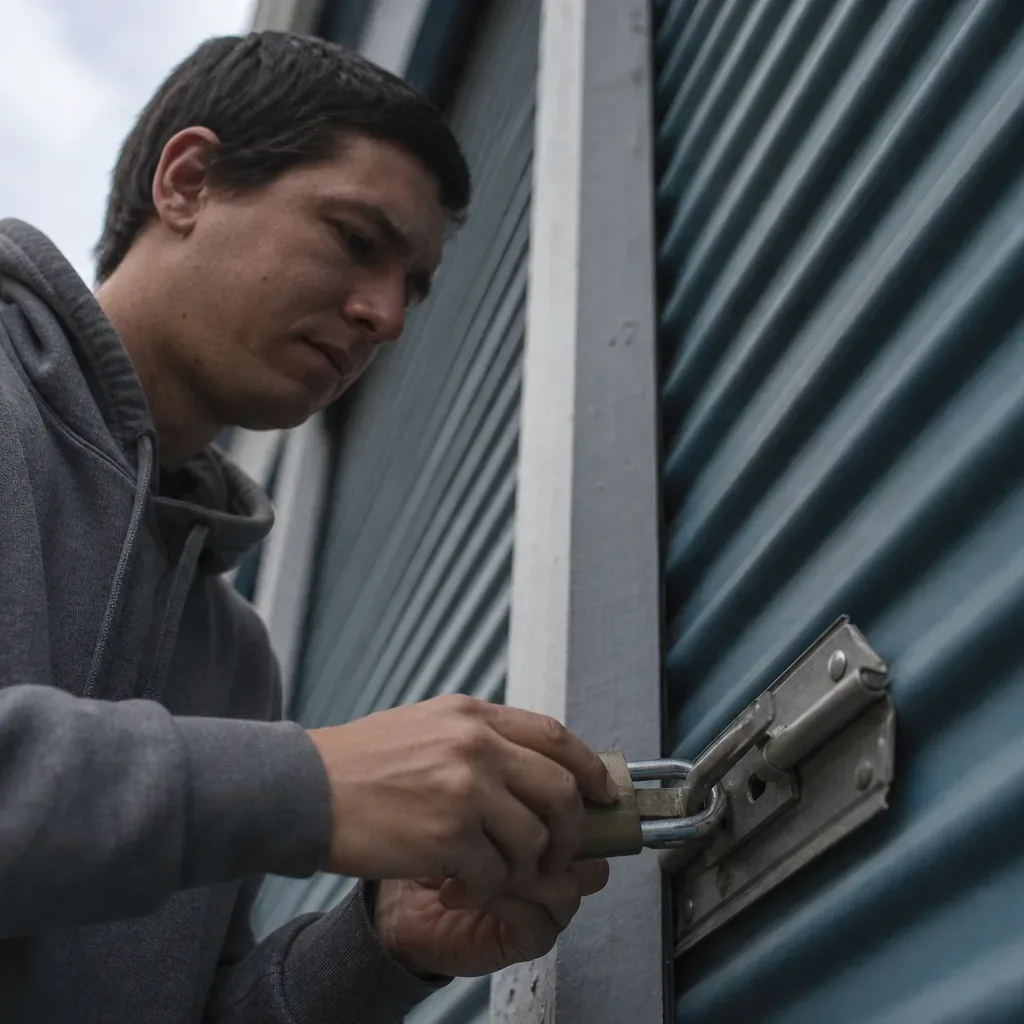
A disc padlock rated to at least 6 mm shackle thickness is a sound choice for most unit doors. Avoid cheap combination locks; a key-operated steel padlock is harder to cut.
Choosing Between Keyed and Combination Padlocks
Keyed locks are generally more secure. Combination locks suit situations where multiple people need access without sharing a physical key.
A Note on Padlock Compatibility
Check the hasp width on your unit door before buying. Some Collingwood storage facility doors use a narrower hasp that accepts only specific padlock sizes.
Pack a spare key with a trusted person outside the facility.
How Do You Choose the Right Unit Size?
Matching your load to the correct unit size from the start avoids paying for space you do not use. Melbourne facilities commonly offer units ranging from 1 sqm lockers up to 50 sqm or more, so the gap between a poor choice and a good one is significant in both cost and practicality.
Unit Sizes Explained for Collingwood Renters
Use floor area as your primary guide, with height as a secondary check.
Locker to 5 Sqm - What Fits
A unit in this range suits a few boxes, a bicycle, or overflow from a closet. Rental rates for small units run from AUD $80 to $150 per month at most Melbourne facilities, with inner-city locations including those near Collingwood sitting toward the upper end.
6–15 Sqm - the One to Two Bedroom Load
One to two bedroom household contents, including a bed frame, mattress, and flat-pack furniture, generally fit a unit in this band. Expect to pay AUD $150–$280 per month. This range suits most residential moves in VIC inner suburbs.
16–30 Sqm - Large Household or Business Inventory
Large households, vehicle storage, or business inventory requiring a warehouse-style footprint sit in this tier. Rates range from AUD $280–$500 per month, with climate-controlled units at the upper end of that price band.
Using a Storage Calculator
Many facilities provide a storage calculator on their website. Enter each furniture item and box count, and the tool recommends a unit size. Use it as a guide, then add ten percent buffer space for comfortable loading.
When the Storage Calculator Suggests Going Up a Size
If the storage calculator puts you on the border between two unit sizes, go larger. Crammed units mean damaged furniture and difficult access when you need to retrieve something specific.
Climate-Controlled Units - When They Matter
Climate-controlled storage maintains temperatures between approximately 18–24°C. This matters for timber furniture, documents, archives, and wine storage. If your load includes any of these, filter your quote to include only climate options.
Always check ceiling height, not just floor area, before confirming a booking.
A unit with drive-up access removes the need for trolleys on heavy items.
How to Pack Each Room Efficiently
Begin with the rooms you use least: spare bedrooms, a garage, or storage closets. This frees floor space for staging items as you work through higher-traffic areas of the house.
Room-by-Room Packing Strategy
Work one room at a time and seal each box before moving to the next.
Kitchen - the Most Fragile Room
Plates stack vertically inside boxes, not flat, to reduce breakage risk. Nest bowls with butchers paper between each layer. Wrap glasses individually in bubble wrap and mark the box fragile on every visible face.
Bedroom - Clothes and Soft Goods
Vacuum storage bags reduce the volume of duvets and winter coats by roughly sixty percent. Pack a bed frame disassembled; tape all bolts and fittings to the headboard in a labelled zip-lock bag.
Living Room - Furniture and Electronics
Original boxes for electronics are ideal, but generic moving boxes with internal foam padding work well. Remove batteries from remotes and clocks before packing to avoid corrosion over a long rental period.
Home Office - Documents and Archives
Document boxes with lift-off lids stack cleanly and keep paper flat. Businesses should note that storing documents in Melbourne requires the facility to support their record-keeping obligations under applicable Australian privacy and corporate law. Seek professional guidance on compliance before committing to a long-term solution.
Garage - Tools, Gear, and Bulky Items
Drain fuel and oil from any petrol-powered gear before moving it into a self storage unit. Store long-handled tools upright using a bungee cord looped around a shelf post. Stack flat items such as shelving panels along a side wall to free centre floor space.
Packing Sporting Gear Into a Compact Footprint
Bicycles hang from hooks mounted to shelving uprights, saving roughly 1m of floor space each. Deflate balls and fold soft bags flat.
Stack heavier boxes at floor level and place lighter cartons on top.
Label each box with its destination room to speed up unpacking later.
Loading Your Unit for Easy Access
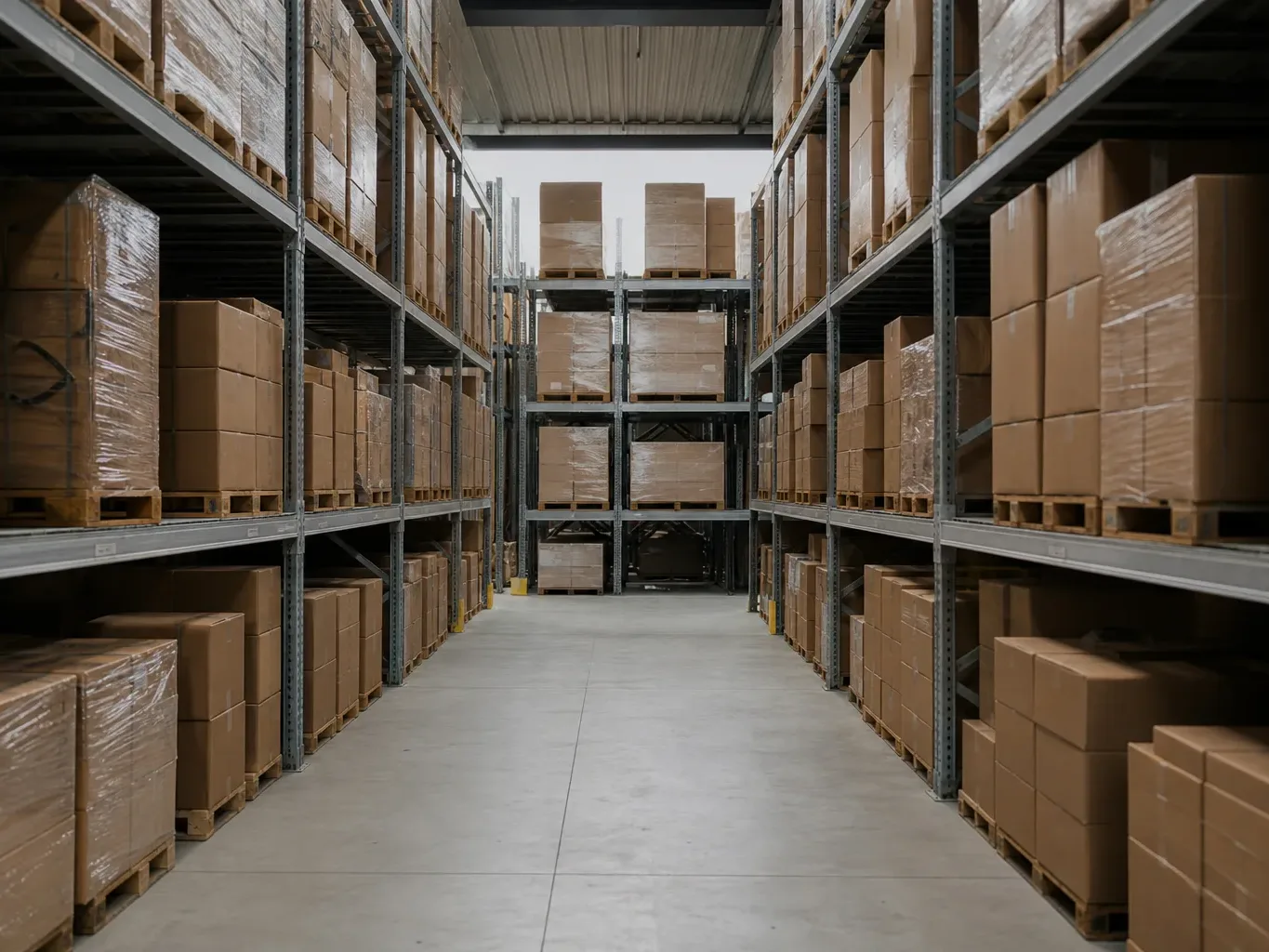
Loading order matters as much as packing quality. Items you will need first should go in last, positioned near the door. Items destined for long-term storage go in first, stacked to the rear and ceiling.
Leave a central aisle roughly 60–80 cm wide running from the door to the back wall. This aisle lets you reach rear items without dismantling the entire unit. Place a pallet or timber boards on the floor before stacking anything; this lifts possessions off the concrete and allows air to circulate, reducing moisture risk especially in units without climate control.
Furniture should stand upright where possible. Mattresses store best on their side against a wall rather than flat, which saves floor space and prevents sagging over a long rental. Sofas can often be stored on end if the unit ceiling permits, freeing significant floor area for boxes.
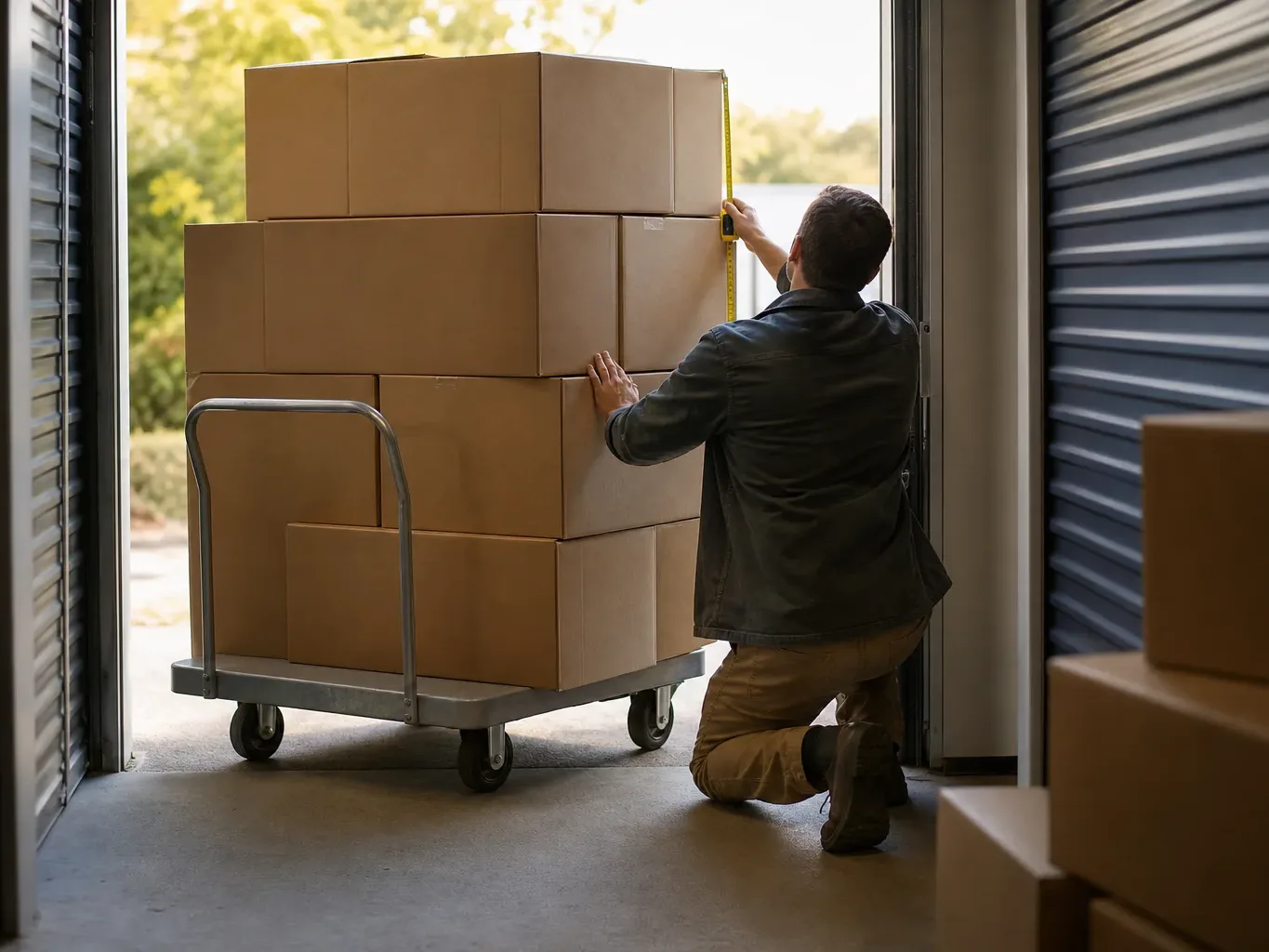
Drive-up access units, common at suburban Melbourne facilities and available at some locations near Carlton and Collingwood, allow you to back a truck or trailer directly to the unit door. This cuts loading time substantially on a large move. A removalist familiar with the area can advise whether the facility has forklift access or pallet jacks for heavy loads.
Stack boxes of similar size together so the column stays stable.
Draw a rough inventory map of where each category sits inside the unit. A photo taken from the door on your mobile is enough. When you return six months later looking for a specific box, that image saves considerable time.
Keep insurance documents and high-value item records somewhere outside the unit itself.
Does Access Hours Affect How You Should Plan Your Move?
Yes, access hours shape both your moving timeline and how you organise retrieval visits. Most Melbourne self storage facilities offer access 7 days a week, typically from 6 am to 10 pm. A subset of locations offer 24/7 access, which is worth confirming directly with the facility if you anticipate needing to retrieve items outside standard hours.
If you are using a removalist, check whether their Saturday or weekday availability aligns with the facility's access hours. Many removalists book out quickly around the peak student storage periods of October to December and February to March, so confirming both bookings together avoids a clash.
Facilities that offer 24 hours a day access often charge a slight premium, but the flexibility suits business customers who need to access stock or archives at irregular times. Check whether this is a flat rate included in the rental or a separate fee before signing.
Security infrastructure worth confirming includes surveillance camera coverage, individual unit alarms, and perimeter fencing. Reputable facilities use 24-hour CCTV across all locations. Ask about the camera resolution and whether footage is stored remotely or on-site.
For short-term storage needs between settlement dates, most Melbourne facilities offer week-to-week contracts with a minimum rental of one week to one month. An administration or joining fee of AUD $0–$50 may apply, though many facilities charge none. Contents protection is available as an optional add-on from approximately AUD $5–$20 per month.
Confirm access hours in writing before your move-in date.
A week-to-week contract gives flexibility if your settlement date shifts.
Planning a Smooth Drop-Off at a Collingwood Storage Facility
Book your unit at least 24–48 hours before your intended move-in date. Most Melbourne self storage facilities can accommodate move-in within that window, though popular unit sizes near inner suburbs such as Collingwood, Carlton, Coburg, and Moorabbin fill quickly during peak periods. Frankston and outer suburban locations typically have more availability at short notice.
Confirm your postcode and VIC suburb with the facility so they allocate the correct pricing tier. Inner-city Melbourne facilities typically cost 20–40% more than equivalent suburban units. If your load is flexible on location, getting a quote from two or three postcodes can produce a meaningful price difference.
Request a quote that itemises the base rental, any administration fees, insurance, and access hour inclusions. Some facilities bundle a truck hire or storage vehicle into a promotional rate; others charge separately. Read the contract carefully before making any payments.
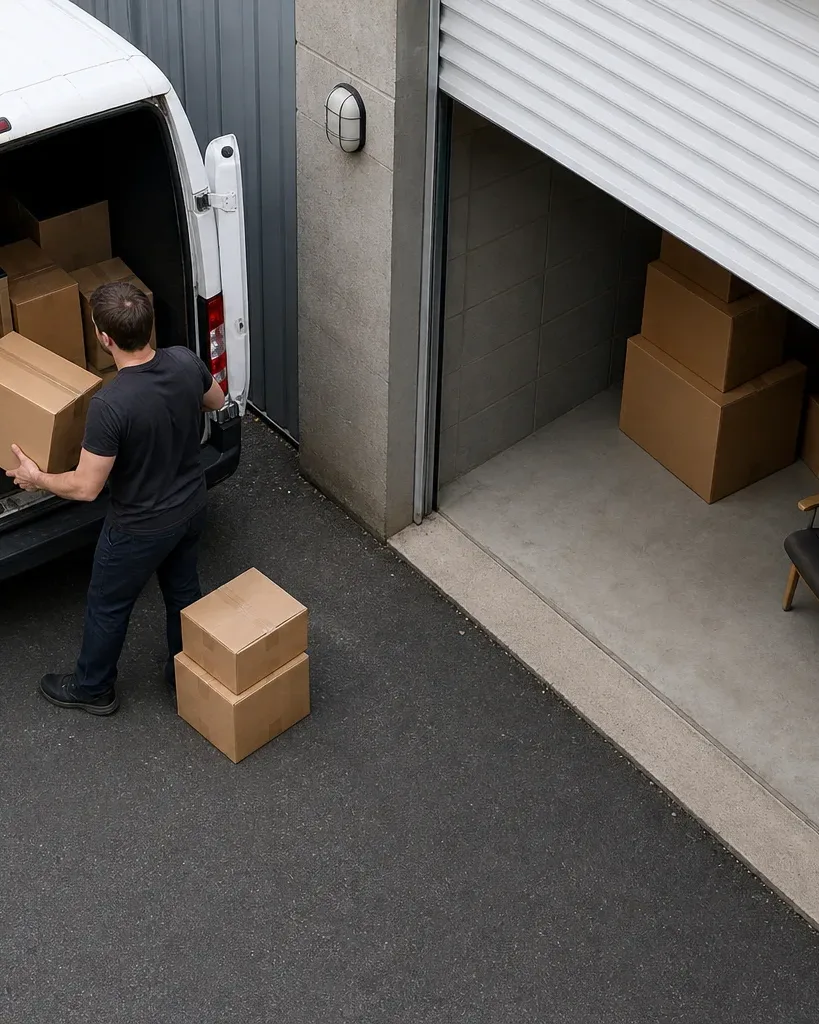
Arrive with your padlock, a loaded mobile with the facility's email or phone number, and a printed or digital inventory list. Have your payment method ready, as most facilities require the first rental period on sign-up. Trolleys are usually available free of charge at the loading area; confirm this when booking so you do not need to hire them separately.
Self storage Collingwood options vary in size, price, and access, so matching your specific needs to the right facility before moving day is the most efficient use of your planning time. Checking unit sizes, pricing, and availability at a facility in the area means fewer surprises on the day.
Photograph your packed unit from the door before locking up.
Keep a copy of your rental contract somewhere other than the unit itself.
Frequently Asked Questions
What Cannot Be Stored in Self Storage?
Most Melbourne self storage facilities prohibit flammable liquids, explosive materials, perishable food, live animals, and illegal items. Petrol-powered gear such as mowers or motorbikes must have fuel and oil fully drained before being moved into a self storage unit. Some facilities also restrict tyres, chemicals, and certain business inventory depending on their insurance terms, so check the facility's prohibited items list before your move-in date.
How to Store Clothes in Storage?
Vacuum storage bags are the most space-efficient option for bulky items like duvets and winter coats, reducing volume by up to sixty percent. For everyday clothes, use wardrobe boxes with a hanging rail so garments stay on hangers and arrive wrinkle-free. Pack folded items in sealed cartons with a cedar block or moisture absorber to prevent mildew during a long rental period, particularly in units without climate control.
What Is the Hardest Room to Pack When Moving?
The kitchen is widely considered the hardest room to pack because of the volume of fragile items, irregular shapes, and mixed materials. Plates should be packed vertically with butchers paper between each one, glasses wrapped individually in bubble wrap, and sharp utensils bundled in folded cardboard before going into boxes. Allow roughly twice the packing time you would allocate to a bedroom of the same size.
What to Put on the Floor of a Storage Unit?
Place a timber pallet or wooden boards across the floor of the unit before stacking anything. This lifts possessions off the concrete slab, allowing air to circulate underneath and reducing the risk of moisture damage over time. A plastic moisture barrier sheet under the timber adds further protection in older facilities or during Melbourne's wetter months.
How to Keep Things Off Floor in Storage Unit?
Pallets and timber boards are the simplest solution and are available at most hardware stores for a low cost. Some facilities supply plastic floor pallets at no charge, so ask when you book. For longer-term storage, freestanding shelving units create multiple tiers, keeping boxes and possessions well clear of the floor while also making the unit easier to navigate.