 Melbourne Self Storage
Moving & Storage Solutions in Melbourne

Bridging the Gap Between Properties
Settlement dates rarely align perfectly. A buyer pushing back their move-in date, a rental lease ending three weeks before the new place is ready, or a renovation running long can all leave you needing somewhere to put your belongings. Melbourne's self storage network handles exactly this situation, with more than 200 facilities across the metropolitan area offering flexible terms that match the unpredictable rhythm of property transactions.
Most facilities can accommodate a move-in within 24–48 hours of booking. That turnaround matters when a conveyancer calls with a sudden change. Week-to-week agreements are common for between-settlement customers, so you're not locked into paying for three months when you only need six weeks.

How Moving and Storage in Melbourne Works Together
The practical approach is to book your removalist and your storage unit at the same time. Coordinating both on the same day avoids double handling, where furniture sits on a truck while you scramble to find a unit. Many removalists operating in Melbourne are familiar with the major self storage facility chains and can drive directly to a facility after clearing your property.
Drive-up access units make the transition straightforward at most suburban facilities. You back the truck to the roller door, unload directly into the unit, and the removalists are done in a single trip. Inner-city facilities in areas like South Melbourne, Fitzroy, and the CBD are less likely to offer drive-up access due to land constraints, so confirm this detail before booking if your move involves a larger truck.
Choosing the Right Unit Size
Melbourne facilities commonly offer units ranging from 1 sqm lockers up to 50 sqm or more. A one-bedroom flat typically fits into a 6–10 sqm unit. Two to three bedrooms usually requires 15–20 sqm, particularly if you're storing a dining table, bed frames, and white goods alongside boxes.
If you're unsure, most facility staff can walk you through a rough inventory count over the phone and suggest a size. Renting slightly larger than you think you need costs more per month but avoids the hassle of upgrading mid-storage, which requires unloading and reloading everything.
What Are the Typical Costs of Moving and Storage in Melbourne?
Storage pricing in Melbourne follows a consistent tiered structure based on unit size and location. Small units, covering locker-sized spaces up to roughly 5 sqm, run AUD $80–$150 per month. Medium units from 6–15 sqm, the range that suits most one or two-bedroom households, cost AUD $150–$280 per month. Large units from 16–30 sqm range from AUD $280–$500 per month, with climate-controlled or premium inner-city options at the upper end.
Location shifts the price noticeably. Inner-city Melbourne facilities in suburbs like Fitzroy or South Melbourne typically cost 20–40% more than equivalent units in suburban areas such as Dandenong, Coburg, or Sunshine. If your new address is in the inner suburbs, it's worth checking whether a facility slightly further out is still a convenient detour during your move.
Most facilities charge a one-off administration fee of AUD $0–$50, with many charging nothing at all. Contents protection is available as an optional add-on at approximately AUD $5–$20 per month depending on your declared value. Check whether your existing home-and-contents policy covers goods in storage before adding the facility's insurance.
Security and Access - What to Expect
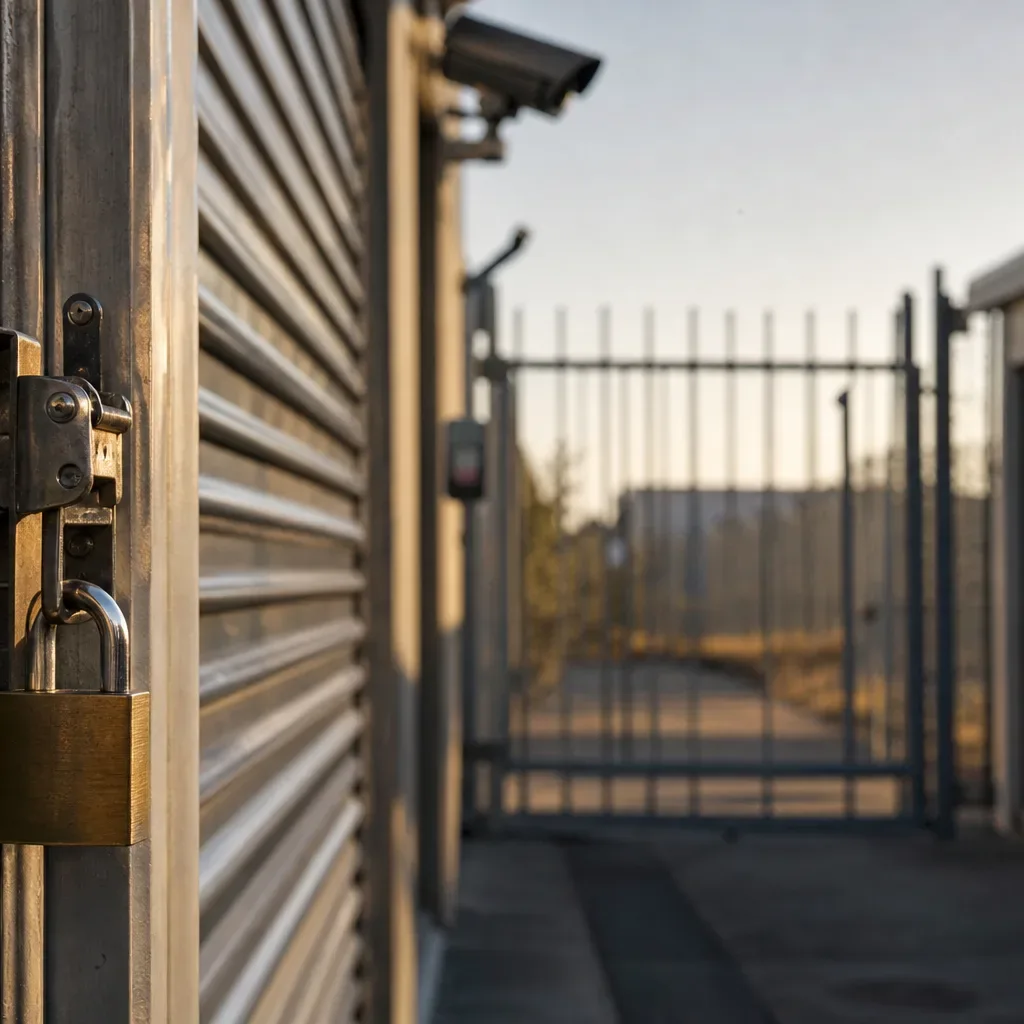
Reputable Melbourne self storage facilities provide 24-hour CCTV surveillance, individual unit alarms, and secure perimeter fencing. These are the baseline features to confirm before signing a contract, not extras to pay for separately.
Most facilities offer access seven days a week, typically between 6 am and 10 pm. A subset offer 24-hour access, which suits tradespeople or business owners who need to retrieve stock outside standard hours. If your schedule is irregular, ask specifically about after-hours access rather than assuming it's included.
Climate-Controlled Storage for Sensitive Items
Climate-controlled units are available at selected Melbourne facilities, holding temperatures between approximately 18–24°C year-round. This matters for timber furniture, which can warp through Melbourne's temperature swings, as well as for artworks, wine, documents, and electronics.
Not every facility offers this option, and it typically sits at the higher end of the pricing range for a given unit size. If you're storing items through a Melbourne summer, the cost difference between standard and climate-controlled is worth calculating against potential replacement or restoration costs.
What Should I Look for in a Moving and Storage Service?
The most reliable indicator of a good fit is whether the facility or removalist can demonstrate clear pricing, confirmed access conditions, and a minimum-term agreement that suits your timeline. Vague quotes that exclude fuel levies, stair or lift fees, and long-carry charges can significantly inflate a removalist invoice on the day.
For storage specifically, ask these four questions before committing:
 What is the minimum rental period?
 Is there a joining or administration fee?
 Are unit alarms and CCTV included as standard?
- Does the facility offer drive-up access for the unit size you need?
A facility that answers all four clearly, without pushing you toward a longer commitment than you need, is a good sign.
Documents and Business Records
Businesses using storage to hold client files or compliance documents should check that the facility's security and access controls meet their obligations under applicable Australian privacy and corporate law. Physical document security is not automatically satisfied by standard self storage terms. Seek professional guidance if your record-keeping requirements are specific.
Timing Your Move to Avoid Peak Demand
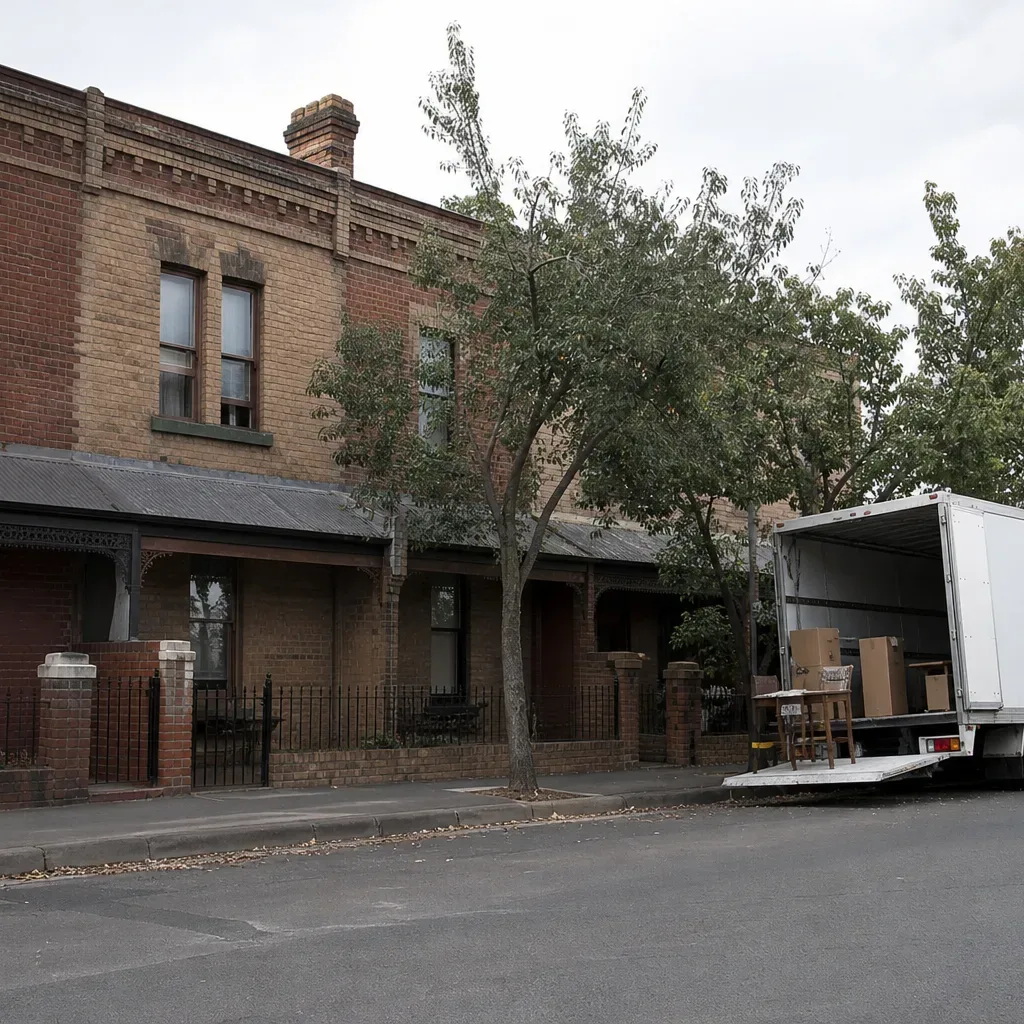
End-of-lease pressure peaks in Melbourne at predictable times. The October–December period sees high student storage demand as the university academic year closes, and February–March sees another surge at semester start. These periods coincide with general rental market activity in the city.
If your move falls in those windows, booking your unit two to three weeks in advance gives you a realistic choice of size and location. Last-minute bookings in peak periods can leave you choosing between an oversized unit at a higher price or a facility further from your route. Most facilities can still turn around a booking within 24–48 hours, but availability narrows quickly at popular suburban locations when demand spikes.
Frequently Asked Questions
What Are the Typical Costs of Moving and Storage in Melbourne?
Removalist costs in Melbourne vary by distance, volume, and access conditions. Most local moves for a two-bedroom property run AUD $800–$1,800 for a half-to-full-day job, depending on whether the removalist charges hourly or by fixed quote and whether stairs or long carries are involved. Storage adds to that cost based on unit size and duration. A medium unit (6–15 sqm) suitable for a one or two-bedroom household runs AUD $150–$280 per month at a suburban Melbourne facility. Inner-city locations typically cost 20–40% more for an equivalent unit.
What Are the Typical Costs of Self-storage in Melbourne?
Self storage in Melbourne is priced by unit size. Small units from locker-sized up to roughly 5 sqm cost AUD $80–$150 per month. Medium units from 6–15 sqm cost AUD $150–$280 per month. Large units from 16–30 sqm run AUD $280–$500 per month, with climate-controlled or inner-city units at the upper end. Most facilities charge a one-off administration fee of AUD $0–$50, and optional contents insurance adds approximately AUD $5–$20 per month depending on declared value.
What Are Reviews for Moving Services in Melbourne?
Melbourne removalist reviews are most reliably found on Google Maps, ProductReview.com.au, and the Word of Mouth platform. The most useful reviews address punctuality, accuracy of quotes, and care with fragile items rather than just overall star ratings. Patterns across multiple reviews carry more weight than individual outliers. If a removalist consistently receives complaints about undisclosed fuel levies or late arrivals, that's a practical warning regardless of their average score.
What Should I Look for in a Moving and Storage Service?
For removalists, look for itemised written quotes that include fuel levies, stair fees, and long-carry charges so the final invoice matches the estimate. For storage facilities, confirm the minimum rental period, whether drive-up access is available, what security infrastructure is in place (CCTV, individual unit alarms, perimeter fencing), and whether climate-controlled units are on offer. Flexible short-term agreements, ideally week-to-week, suit between-settlement moves where your exact timeline isn't certain.
Who Are the Best and Most Affordable Removalists in Melbourne?
Affordability and quality don't always point to the same provider. Mid-sized removalist companies with established Melbourne routes often offer more competitive rates than national franchises because their overhead is lower. For a budget-conscious move, compare at least three written quotes and ask each company whether the rate is hourly or fixed. Owner-operator removalists frequently deliver attentive service at a lower price point than larger fleets, though availability can be tighter during peak periods like end-of-month weekends and the October–December rental surge.