 Melbourne Self Storage
What Size Storage Unit Do I Need? A Melbourne Guide
Matching Unit Size to What You Own
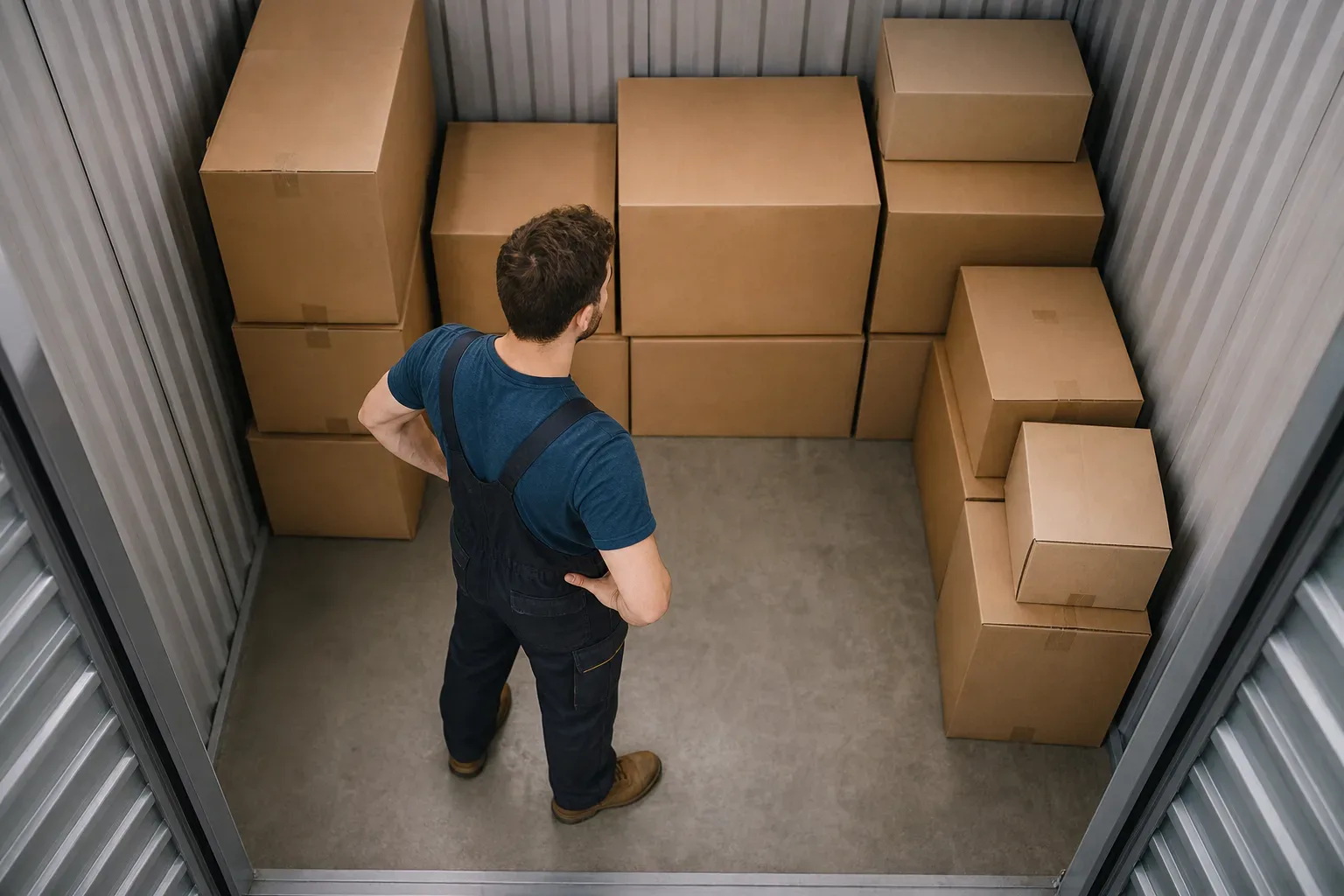
Storage unit sizing in Melbourne runs from a 1 sqm locker right up to 50 sqm or more, so the gap between too small and too large is significant. Getting the size wrong costs money in either direction: an undersized unit forces a second trip or a mid-contract upgrade, while an oversized one drains budget every month. The practical starting point is a room-by-room count of everything you plan to store, not a rough guess.
Most Melbourne facilities group their units into three broad categories. Small units cover lockers up to roughly 5 sqm. Medium units run from 6–15 sqm, suiting the contents of a one or two-bedroom household. Large units from 16–30 sqm accommodate bigger households, vehicles, or business stock.
Small Units - Lockers to 5 Sqm
A locker or small unit suits seasonal gear, archived documents, a few boxes of personal items, or the overflow from a studio apartment. At AUD $80–$150 per month, this tier is the most affordable, though inner-city Melbourne facilities in areas such as South Melbourne or Fitzroy tend to sit toward the upper end of that range.
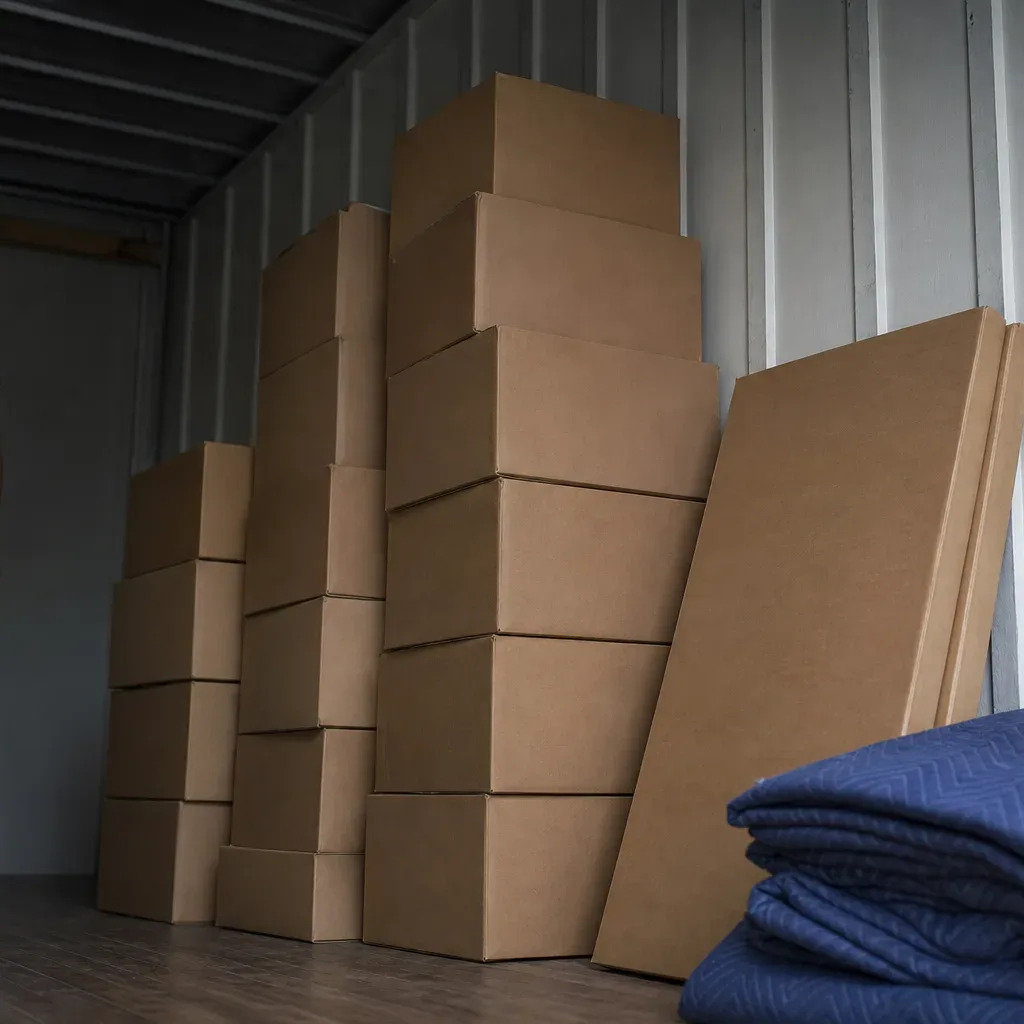
A unit around 2–3 sqm fits roughly ten to fifteen medium-sized moving boxes stacked carefully, plus a couple of flat items leaning against the wall. Add a compact appliance or two and you will approach the limit quickly. These units are best when your inventory is genuinely compact and well-organised.
Medium Units - 6 to 15 Sqm
This is the most commonly rented tier across Melbourne's more than 200 self storage facilities. A 6 sqm unit handles the contents of a one-bedroom apartment if you pack efficiently and stack to ceiling height. A 10–15 sqm unit is the right fit for a two-bedroom home, including a sofa, bed frames, dining table, and around thirty to forty boxes.
Pricing for medium units sits at AUD $150–$280 per month. Suburban facilities in areas like Dandenong, Sunshine, or Coburg typically charge 20–40% less than equivalent inner-city sites, so location is worth factoring in if you have flexibility on where you store.
Large Units - 16 to 30 Sqm
A large unit makes sense for a full three-bedroom-or-bigger household, a vehicle, a boat, or business inventory that needs to be accessible rather than archived. At AUD $280–$500 per month, premium climate-controlled units at the upper end maintain temperatures between approximately 18–24°C, which matters for timber furniture, artwork, or electronics.
Drive-up access is available at the majority of suburban Melbourne facilities, making loading and unloading large units far more practical. Inner-city sites are less likely to offer drive-up access due to land constraints, so if you are storing bulky items, a suburban location often makes the logistics simpler.
How to Decide on Storage Unit Size
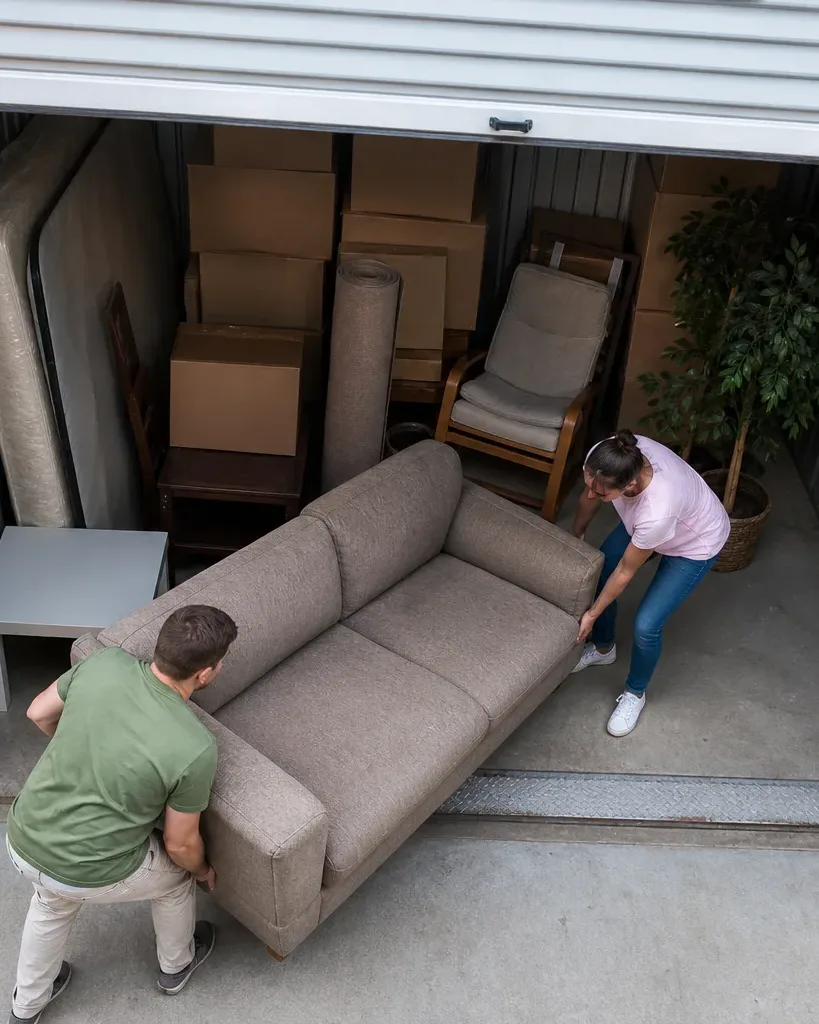
Start with a written inventory of every item, grouped by category, then match the total volume against published unit dimensions. Most facilities list unit dimensions in sqm and also provide a rough guide to how many bedroom-equivalents each unit holds. Cross-referencing both gives you a more accurate picture than intuition alone.
A few practical rules help. Disassemble what you can: bed frames, dining tables, and flat-pack shelving stack far more efficiently broken down. Use uniform box sizes so stacking is stable and space above head height does not go to waste. Leave a narrow access aisle if you need to retrieve items mid-rental rather than just at the end.
If you are genuinely undecided between two sizes, choose the larger one when the price difference is small. Upgrading mid-contract disrupts your move-in logistics and may not be available at the same facility if demand is high, particularly during peak periods like October–December and February–March when student demand across Melbourne surges.
Should I Get a Bigger or Smaller Unit When I Am Unsure
When the monthly price gap is AUD $30–$50 or less, the larger unit is almost always the better choice. The cost of a second trip, additional packing materials, or a mid-contract unit change will typically exceed that margin within the first month.
That said, there are cases where sizing down makes sense. If you plan to access the unit regularly and retrieve items over time, a slightly smaller unit keeps your costs down as long as you maintain a clear path to reach what you need. A rolling reassessment every two to three months helps you decide whether to downsize once items are reclaimed.
Most Melbourne self storage facilities can accommodate a move-in within 24–48 hours of booking, so you are not locked into a decision far in advance. Week-to-week agreements are common for customers between settlements, which means you can trial a size without a long commitment.
Security and Access Across Melbourne Facilities
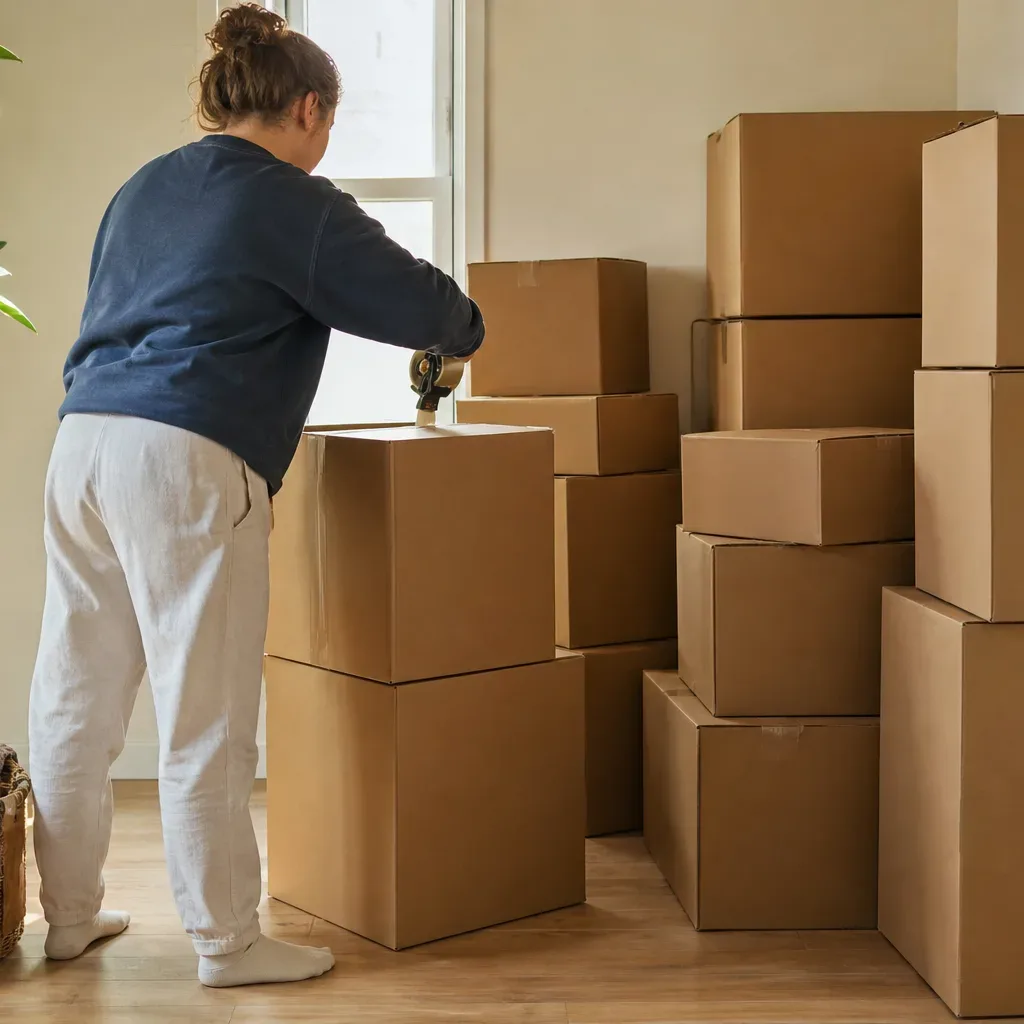
Reputable Melbourne self storage facilities provide 24-hour CCTV surveillance, individual unit alarms, and secure perimeter fencing. Access is typically available seven days a week, from 6 am to 10 pm, with a subset of facilities offering 24-hour access for an additional fee or at certain locations.
Contents protection is worth factoring into your budget. Optional insurance add-ons run from approximately AUD $5–$20 per month depending on declared value. Some customers rely on existing home-and-contents policies instead, though it is worth checking policy wording to confirm off-premises coverage applies.
Administration or joining fees range from AUD $0–$50 as a one-off charge, with many facilities waiving this entirely. Confirming this upfront avoids a surprise on your first invoice.
Frequently Asked Questions
What Size Storage Unit Do I Need for a 3 Bedroom?
A three-bedroom household typically requires a unit of around 20–25 sqm to store furniture, appliances, and boxes comfortably. This falls within the large unit tier, priced at AUD $280–$500 per month in Melbourne depending on location and whether climate control is included. If you are storing selectively rather than the entire household, a 15 sqm medium unit can work provided you disassemble furniture and pack efficiently. Suburban Melbourne facilities generally cost 20–40% less than inner-city equivalents for the same unit size.
How to Decide on Storage Unit Size?
Write a full inventory of every item you plan to store, then group them by category and estimate total volume. Cross-reference that estimate against the sqm dimensions listed by the facility, using their bedroom-equivalent guides as a secondary check. Disassemble furniture, use uniform box sizes, and stack to ceiling height to get the most from whatever unit you rent. If you are on the boundary between two sizes and the price difference is small, the larger unit almost always works out more economical once you factor in the inconvenience of a mid-contract upgrade.
Should I Get a 10x10 or 10x15 Storage Unit?
Australian storage facilities typically advertise in square metres rather than feet, so a 10x10 foot unit is roughly 9 sqm and a 10x15 is around 14 sqm. The smaller option suits a one-bedroom apartment's contents or a two-bedroom home with selective items. The larger option is better for a fully furnished two-bedroom home with appliances and around thirty to forty boxes. If your inventory is on the boundary, the 14 sqm unit gives you room to pack without forcing efficient stacking at every session.
How Big Is a 5 by 12 Storage Unit?
A unit measuring roughly five by twelve feet converts to approximately 5.6 sqm, placing it at the top of the small unit category used by most Melbourne facilities. It is comparable in footprint to a large walk-in wardrobe and suits a studio apartment's worth of boxes, a couple of small appliances, and several flat items stacked against the wall. At Melbourne pricing, this size typically falls in the AUD $80–$150 per month range, though inner-city facilities tend to sit toward the upper end. If you need to store a sofa or bed frame as well, a medium unit of six sqm or above will give you noticeably more workable space.
How Much Can You Fit in a 5 by 5 Storage Unit?
A unit approximately five by five feet in footprint equates to around 2.3 sqm, comparable to a large wardrobe. Stacked carefully to a standard ceiling height of around 2.4 m, it holds roughly ten to fifteen medium-sized moving boxes plus a few flat items. It is well suited to seasonal gear, archived paperwork, small appliances, or the overflow from a compact apartment. It is not large enough for furniture such as a sofa, dining table, or bed frame unless those items are fully disassembled and very compact.