 Melbourne Self Storage
Document & Archive Storage in Melbourne for Businesses
Why Physical Archive Storage Still Matters
Digital records have not eliminated the need to store paper. Law firms, accountants, medical practices, and property managers in Melbourne routinely hold decades of physical files that must be retained under Australian corporate and privacy law. Leasing office space in Fitzroy or the CBD at current commercial rates to store filing cabinets is expensive and unnecessary. A purpose-built document archive storage Melbourne facility offers a practical alternative that keeps records accessible without consuming prime floor space.
Retention periods vary significantly by document type. Under the Corporations Act 2001, many financial records must be kept for seven years. Contracts, deeds, and trust documents often carry longer obligations. Storing those files incorrectly can create compliance exposure, so the choice of facility and format matters from the outset.
Choosing the Right Facility for Business Records
Not every self storage facility in Melbourne is suited to document archiving. General-purpose units can expose paper records to humidity, pests, or unauthorised access, none of which is acceptable for confidential client files or regulated business records.
Climate Control and Environmental Conditions
Paper absorbs moisture from the air. High humidity causes pages to warp, ink to bleed, and mould to form on folders stored for more than a year or two. Selected Melbourne self storage facilities offer climate-controlled units that maintain temperatures between approximately 18–24°C with managed humidity, which significantly slows paper degradation. For archive material you need to retain for five or more years, paying the small premium for climate control is a sound operational decision.
Security Standards to Prioritise
Reputable Melbourne self storage facilities use 24-hour CCTV surveillance, individual unit alarms, and secure perimeter fencing. For businesses storing confidential documents, those baseline features should be non-negotiable. Some facilities add access-log tracking at the unit level, letting you identify exactly who entered and when. That audit trail can be valuable if you ever face a legal dispute or a privacy regulator's inquiry.
Ask whether staff have background checks and whether the facility restricts after-hours foot traffic. Many facilities offer access 7 days a week, typically 6 am–10 pm, with 24-hour access available at a smaller subset. For most office managers, the standard window is sufficient.
Boxes, Racking, and Retrieval Systems
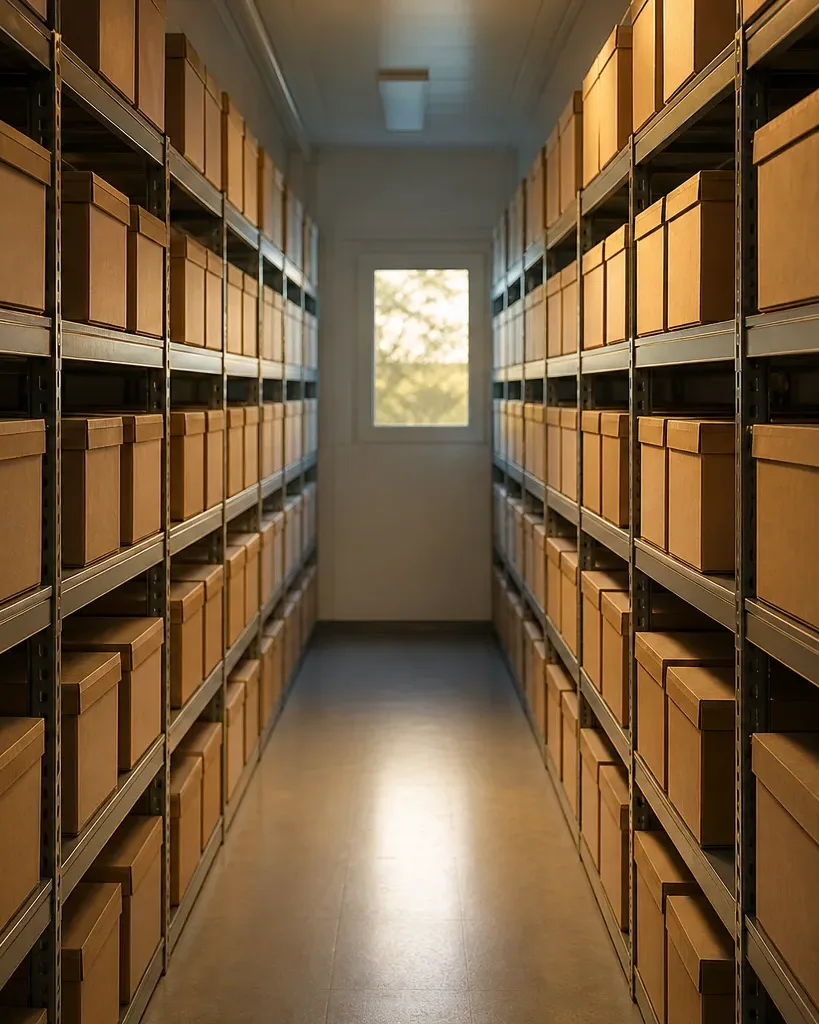
Storing files in a bare unit without structure wastes space and makes retrieval slow. Invest in uniform archival boxes (typically 40 cm x 30 cm x 25 cm), label each one with a reference code, and maintain a matching digital index. Some document storage providers in Melbourne include barcoded retrieval services where staff scan and return individual boxes on request. That service suits high-volume archiving for legal or financial practices that need rapid access without visiting the facility in person.
Pricing for Document Archive Storage in Melbourne
Cost depends primarily on volume and location. A small locker-to-5 sqm unit, which comfortably holds 20–50 standard archive boxes, runs AUD $80–$150 per month at most Melbourne facilities. Medium units from 6–15 sqm, suitable for a full office clear-out or several years of accumulated files, typically cost AUD $150–$280 per month. Inner-city Melbourne facilities generally cost 20–40% more than equivalent suburban units in areas such as Dandenong, Sunshine, or Coburg, so businesses without a geographic constraint should compare both options.
One-off administration fees range from AUD $0–$50, with many facilities charging nothing at account setup. Contents insurance is usually available as an optional add-on from approximately AUD $5–$20 per month depending on declared value. Check whether your existing business insurance policy extends to off-site storage before purchasing a separate product.
Most Melbourne facilities can accommodate a move-in within 24–48 hours of booking, so an urgent office relocation or end-of-lease situation does not need to leave you scrambling.
Compliance Obligations for Melbourne Businesses
Businesses storing documents in Melbourne should confirm that their chosen facility supports their record-keeping obligations under applicable Australian privacy and corporate law. That includes the Privacy Act 1988 for personal information, the Corporations Act 2001 for financial records, and any industry-specific regulations such as those applying to legal practitioners under the Legal Profession Uniform Law (Victoria).
This article does not constitute legal advice. If you are uncertain about your specific retention or storage obligations, speak with a qualified legal or compliance professional before committing to a storage arrangement. The practical point is that the facility itself does not create compliance; your internal cataloguing, access controls, and destruction schedule do.
Secure Destruction and Records Lifecycle
Archive storage is not indefinite parking. Build a destruction schedule into your records management process from day one. When a file reaches its retention end date, use a certified shredding service rather than general waste disposal. Several Melbourne-based document destruction providers offer on-site or off-site shredding with a certificate of destruction, which is useful evidence of compliance if you are ever audited.
Inner City Versus Suburban Facilities
Law firms and accountancy practices based in the Melbourne CBD or South Melbourne may value proximity for occasional retrieval. Inner-city facilities do exist, though drive-up access units are less common in those locations given land constraints. Suburban facilities in areas like Coburg, Sunshine, or Dandenong offer lower monthly rates, easier vehicle access, and often larger unit options.
For practices that retrieve archived files infrequently, say quarterly or less, the cost saving of a suburban facility outweighs the mild inconvenience of a longer drive. For practices that retrieve files several times a week, a facility within 15 minutes of the office has real operational value. Work out your expected retrieval frequency before committing to a location.
Setting Up Your Archive System Correctly
The first week of using a storage unit determines how efficiently you can retrieve files for the next several years. Pack chronologically or by matter type, not by whatever order files happened to come off the shelf. Assign every box a unique reference number before it leaves the office. Keep that index in a shared drive accessible to everyone who might need to retrieve files, not just the person who organised the move.
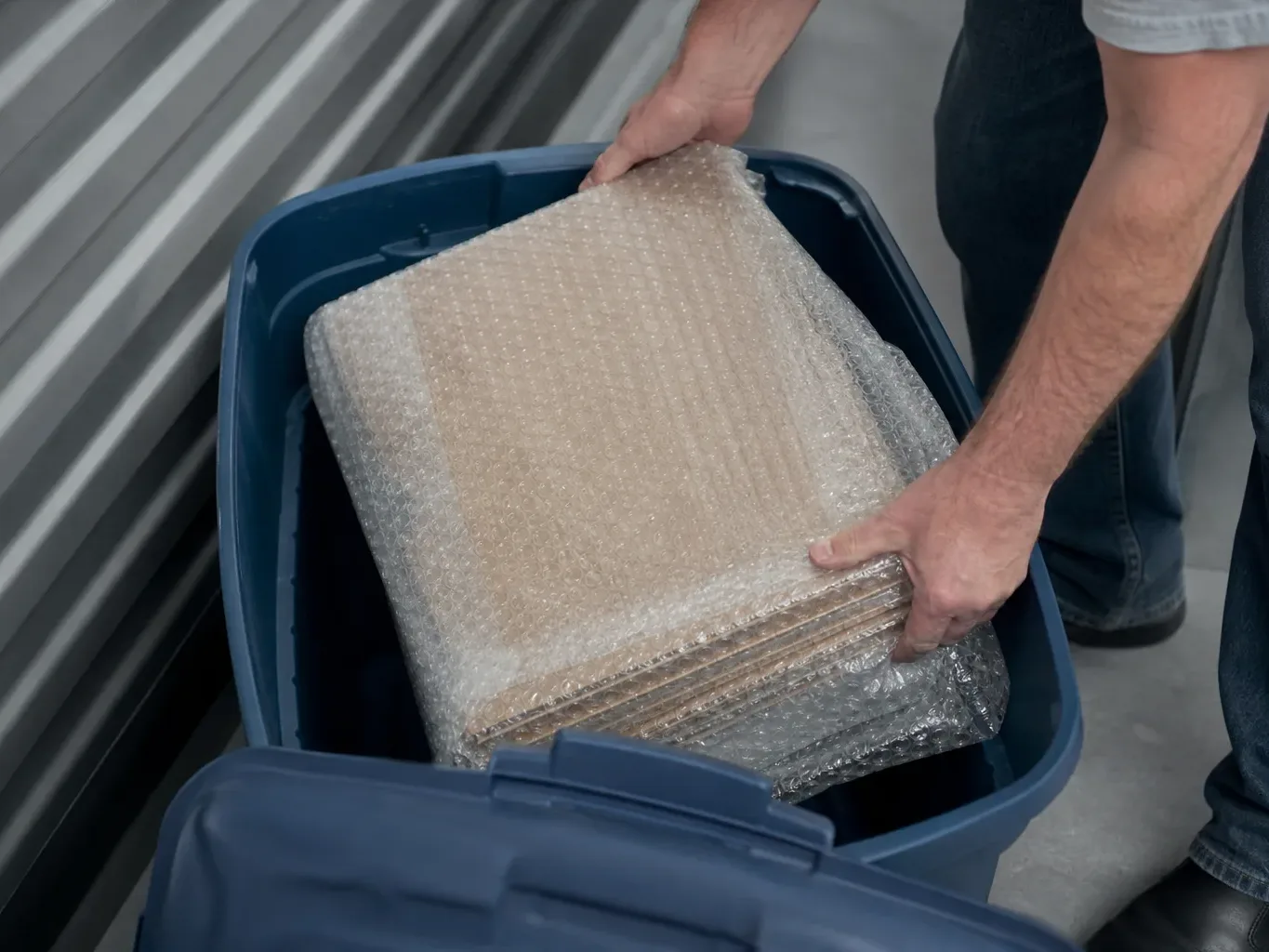
Plastic tubs are preferable to cardboard in environments without climate control, as they resist moisture and pests more effectively. If you use cardboard archival boxes, ensure they are acid-free to prevent yellowing and brittleness over time. Never store documents in contact with the floor of a unit; use timber pallets or shelving to keep boxes elevated by at least 10 cm.
Access frequency should inform your packing strategy. Files you are likely to retrieve in the next 12 months belong near the front of the unit. Files retained purely for compliance purposes and unlikely to be needed can sit at the back, clearly labelled with their destruction date.
Frequently Asked Questions
How Much Does Document Archive Storage Cost in Melbourne?
A small unit (up to 5 sqm, holding roughly 20–50 archive boxes) costs AUD $80–$150 per month. Medium units from 6–15 sqm run AUD $150–$280 per month. Inner-city Melbourne facilities typically cost 20–40% more than suburban equivalents in areas like Dandenong or Coburg. A one-off admin fee of AUD $0–$50 may apply, and optional contents insurance adds approximately AUD $5–$20 per month.
Where Can I Find Cheap Long-term Storage in Melbourne?
Suburban self storage facilities in areas such as Dandenong, Sunshine, Coburg, and similar outer suburbs consistently offer lower rates than inner-city locations. Melbourne has more than 200 self storage facilities across the metropolitan area, so comparing a few suburban options near a convenient arterial road usually turns up a good rate. Locking in a longer agreement (three to twelve months) can also reduce the effective monthly cost at many facilities.
Which Is Not Allowed in Storage?
Hazardous materials are universally prohibited, including flammable liquids, chemicals, compressed gas cylinders, and ammunition. Perishable food, living plants, and animals are also not permitted. Most Melbourne self storage facilities prohibit anything that produces odours, attracts pests, or poses a fire risk. Always check the facility's terms before storing unusual items, as breaches can void your insurance and result in immediate termination of your agreement.
What Is the Best Way to Store Old Documents?
Use acid-free archival boxes in a consistent standard size, label each box with a unique reference code, and keep a digital index. Elevate boxes off the floor on pallets or shelving. For documents you need to keep for five or more years, choose a climate-controlled unit that maintains approximately 18–24°C with managed humidity to prevent paper degradation. Build a destruction schedule so files are securely shredded once their retention period expires.
Where Can I Safely Store Confidential Documents?
Choose a reputable Melbourne self storage facility that provides 24-hour CCTV surveillance, individual unit alarms, and secure perimeter fencing. Some facilities offer access-log tracking at the unit level, which creates an audit trail useful for privacy compliance. For highly sensitive legal or medical records, consider a specialist document storage provider that offers barcoded retrieval and certified destruction services. Businesses should also confirm the arrangement supports their obligations under the Privacy Act 1988 and any relevant industry regulations.