 Melbourne Self Storage
E-Commerce Storage & Fulfilment Options in Melbourne
Why Location Matters for Online Retail Storage
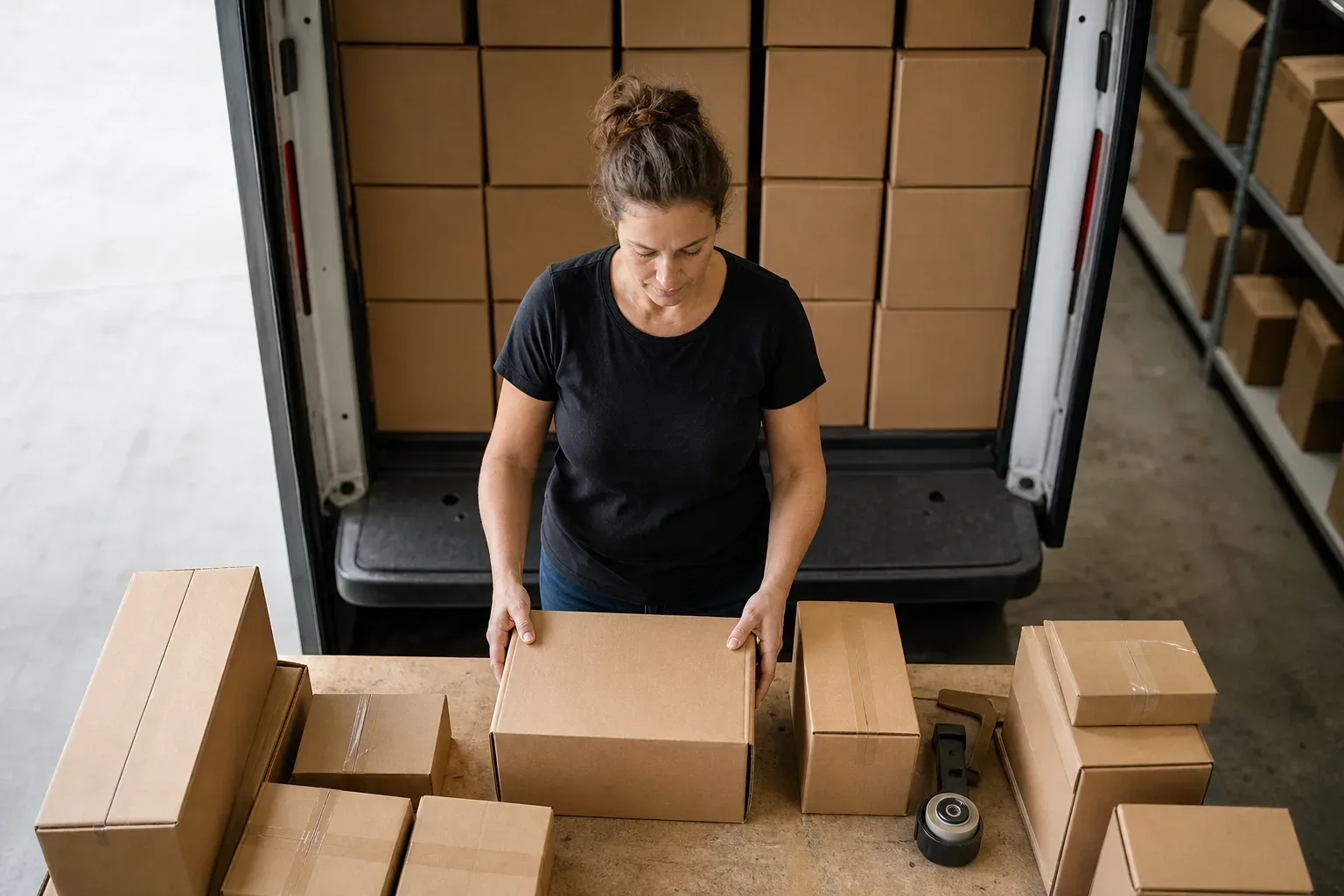
Melbourne's logistics corridors concentrate around the Western Ring Road, the Monash Freeway, and the arterials feeding Tullamarine. Online retailers who store stock near these routes can reach suburban delivery networks faster, cutting same-day and next-day dispatch windows meaningfully. Facilities in Sunshine, Laverton, Dandenong, and Campbellfield sit inside or adjacent to these corridors, making them practical choices over inner-city options that trade convenience for cost.
Inner-city Melbourne self storage facilities typically cost 20–40% more than equivalent suburban units. For a business holding significant inventory, that premium compounds quickly. A medium unit (6–15 sqm) runs AUD $150–$280 per month at a suburban facility; comparable space in South Melbourne or Fitzroy can push toward AUD $280 or beyond.
Self Storage as a Lean Inventory Solution
Many small-to-medium online retailers start with self storage before committing to a third-party logistics provider. The model is straightforward: rent a unit, pick and pack orders yourself, and hand them off to Australia Post or a courier from your own premises or the facility's loading area.
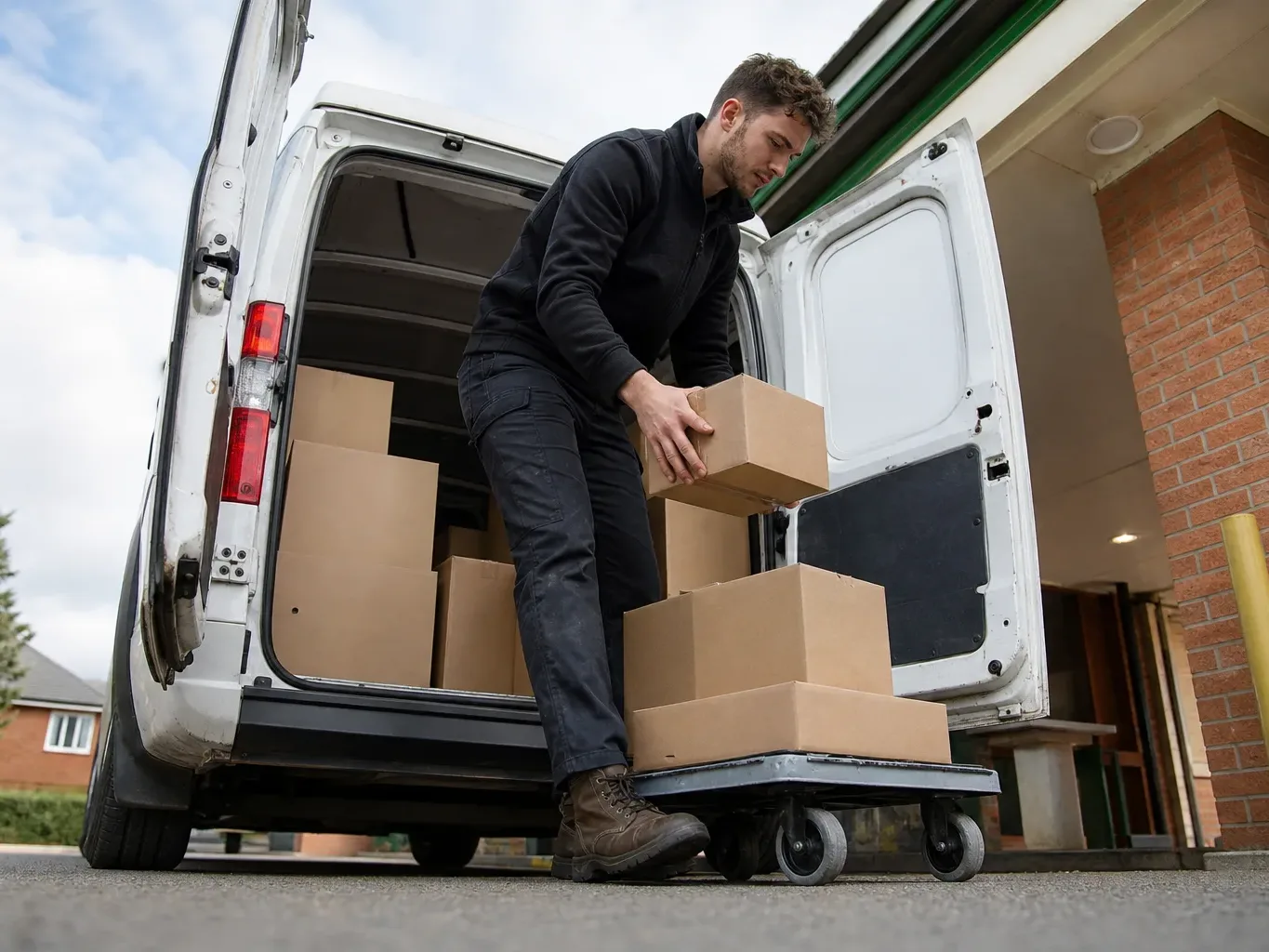
Melbourne has more than 200 self storage facilities across the metropolitan area, and a significant proportion of suburban sites offer drive-up access units. Drive-up access lets you unload supplier pallets directly into your unit without trolleys or lifts, which matters when you're receiving stock weekly. Most facilities can accommodate move-in within 24–48 hours of booking, so you're not waiting out a lengthy onboarding process when a supplier delivers ahead of schedule.
Unit Sizes for Inventory
Melbourne facilities commonly offer units from 1 sqm lockers up to 50 sqm or more. For a startup holding one or two product lines, a small unit (up to 5 sqm) at AUD $80–$150 per month is often enough. Growing catalogues typically need a medium unit in the 6–15 sqm range, priced at AUD $150–$280 per month. A business holding furniture, appliances, or bulk fast-moving consumer goods may require a large unit of 16–30 sqm, which runs AUD $280–$500 per month depending on climate control and location.
A one-off administration fee of AUD $0–$50 applies at some facilities; many charge nothing. Contents protection costs approximately AUD $5–$20 per month as an optional add-on, though some retailers use an existing business insurance policy instead.
Climate Control and Product Integrity
Electronics, cosmetics, supplements, and certain apparel categories can degrade in Melbourne's summer heat. Climate-controlled units at selected facilities maintain temperatures between approximately 18–24°C, preventing heat-related damage to stock. If your products carry a shelf-life or a warranty tied to storage conditions, confirming climate control availability before signing a lease is worth the call.
Third-Party Logistics Providers in Melbourne
A third-party logistics (3PL) provider takes on warehousing, pick-and-pack, despatch, and often returns processing under one contract. For retailers whose order volumes make self-fulfilment impractical, a 3PL absorbs the labour cost and replaces it with per-unit handling fees. Melbourne's western and south-eastern industrial suburbs host a cluster of 3PL operators with direct access to major freight networks.
Typical 3PL pricing structures include a monthly storage fee per pallet or cubic metre, a per-order pick fee, and a per-item or per-carton pack fee. Integration with Shopify, WooCommerce, and similar platforms is standard for established providers, meaning order data flows automatically without manual entry. Some providers also offer kitting, subscription box assembly, and branded packaging services as optional extras.
Choosing Between Self Storage and a 3PL
The crossover point varies by business, but many retailers find that once daily dispatch exceeds 20–30 orders, the labour involved in self-fulfilment outweighs the cost saving. Below that threshold, a self storage unit with drive-up access and proximity to a post office or courier pickup point is often the more cost-effective path.
Flexibility is another factor. Self storage leases in Melbourne are typically available on week-to-week agreements, with minimum rental periods ranging from one week to one month. That suits businesses with seasonal peaks or uncertain growth curves. A 3PL contract usually requires a minimum monthly commitment and may carry volume penalties if order counts drop.
Security and Access for Business Stock
Leaving commercial inventory in a storage unit requires confidence in the facility's security baseline. Reputable Melbourne self storage facilities use 24-hour CCTV surveillance, individual unit alarms, and secure perimeter fencing. Access hours at most Melbourne facilities run 7 days a week, typically 6 am–10 pm, which covers early morning dispatch preparation and late evening stocktakes. A subset of facilities offer 24-hour access, relevant for retailers running overnight fulfilment shifts.
For businesses storing documents alongside inventory, such as supplier invoices, customs declarations, or customer records, compliance obligations under Australian privacy and corporate law apply regardless of storage format. A storage arrangement does not alter your record-keeping duties. Seek professional guidance if you're uncertain how your document retention policy interacts with an offsite storage setup.
Matching Your Growth Stage to the Right Option
A newly launched retailer testing product-market fit needs low commitment and low overhead. A small self storage unit near a logistics corridor, combined with a click-and-collect courier account, keeps fixed costs manageable while order volumes are unpredictable.
An established retailer processing consistent daily order volumes needs reliable pick-and-pack throughput and carrier account integration. That profile suits a 3PL with a proven track record in Melbourne's freight network, ideally one that can scale storage allocation without requiring a new contract each time the catalogue expands.
Hybrid arrangements exist too. Some retailers use self storage for slow-moving or overflow stock and a 3PL for high-velocity SKUs. That split keeps 3PL handling costs proportional to the lines that actually justify the service level, while cheaper storage absorbs the long tail of the product range.
Frequently Asked Questions
How Is Ecommerce Storage Different from Standard Storage?
Ecommerce storage is set up for frequent, rapid stock access rather than long-term passive holding. That means drive-up unit access, flexible short-term leases, and proximity to courier and freight networks. Standard self storage suits household goods or archived documents where you may visit only occasionally.
What Does a Fulfilment Company Do?
A fulfilment company receives your stock, stores it in its warehouse, picks and packs individual customer orders, and despatches them via carrier accounts it manages. Many also handle returns and integrate directly with ecommerce platforms like Shopify so orders flow through without manual intervention.
Is There a Difference Between a Fulfilment Centre and a Warehouse?
Yes. A warehouse is primarily a bulk storage facility, whereas a fulfilment centre is purpose-built for processing individual orders quickly. Fulfilment centres are configured for high pick-and-pack throughput, carrier docking, and real-time inventory tracking rather than long-term pallet storage.
How Much Does Ecommerce Storage Cost in Melbourne?
A small self storage unit up to 5 sqm costs AUD $80–$150 per month, while a medium unit of 6–15 sqm runs AUD $150–$280 per month at most suburban Melbourne facilities. Inner-city locations typically cost 20–40% more than equivalent suburban options. Third-party logistics providers charge separately per pallet stored and per order fulfilled.
Which Melbourne Suburbs Are Best for Ecommerce Storage?
Suburbs with direct access to Melbourne's key freight corridors, including Sunshine, Laverton, Dandenong, and Campbellfield, are practical choices for online retailers. These areas offer a concentration of self storage facilities and 3PL operators with drive-up access and proximity to major arterial roads and the Tullamarine and Western Ring Road networks.